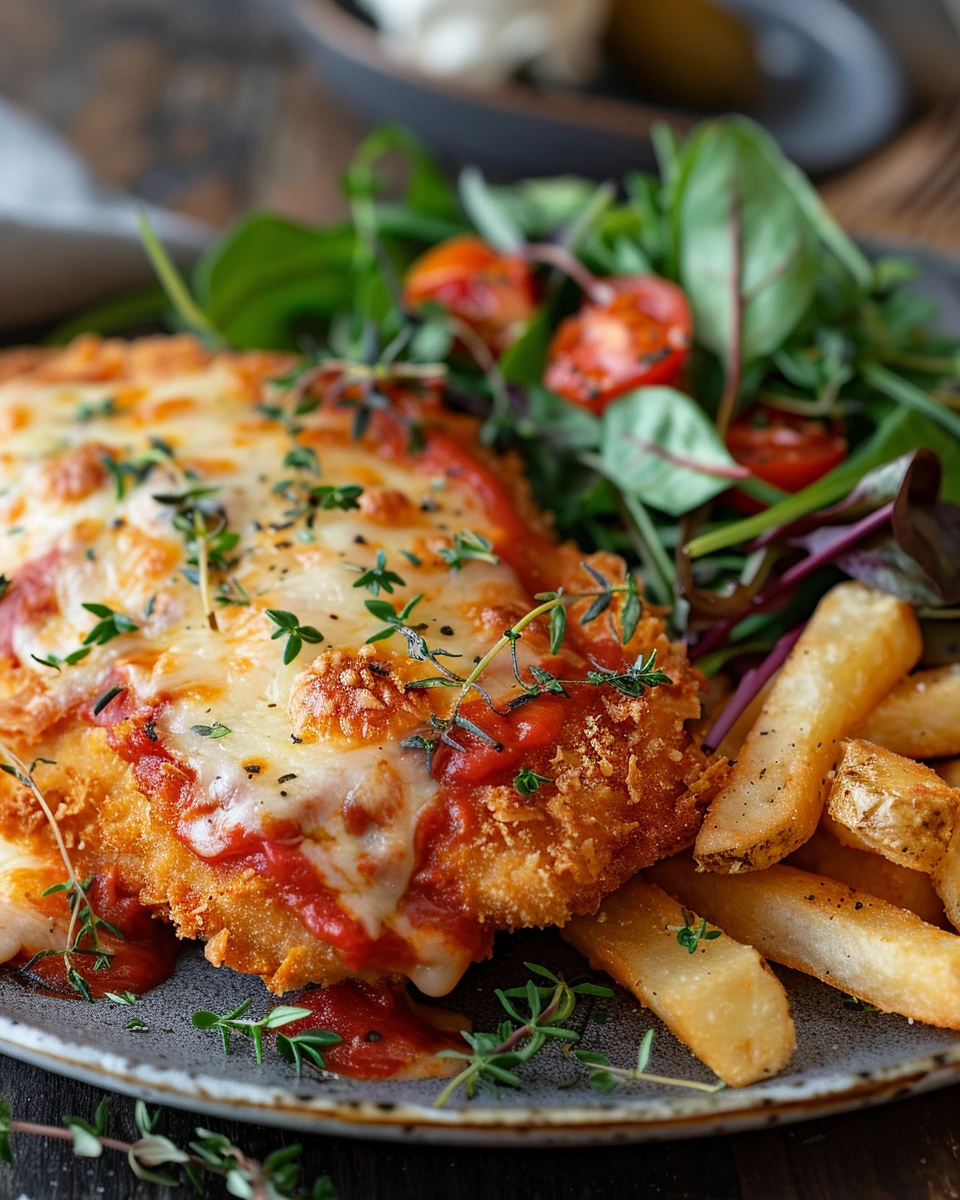
The story
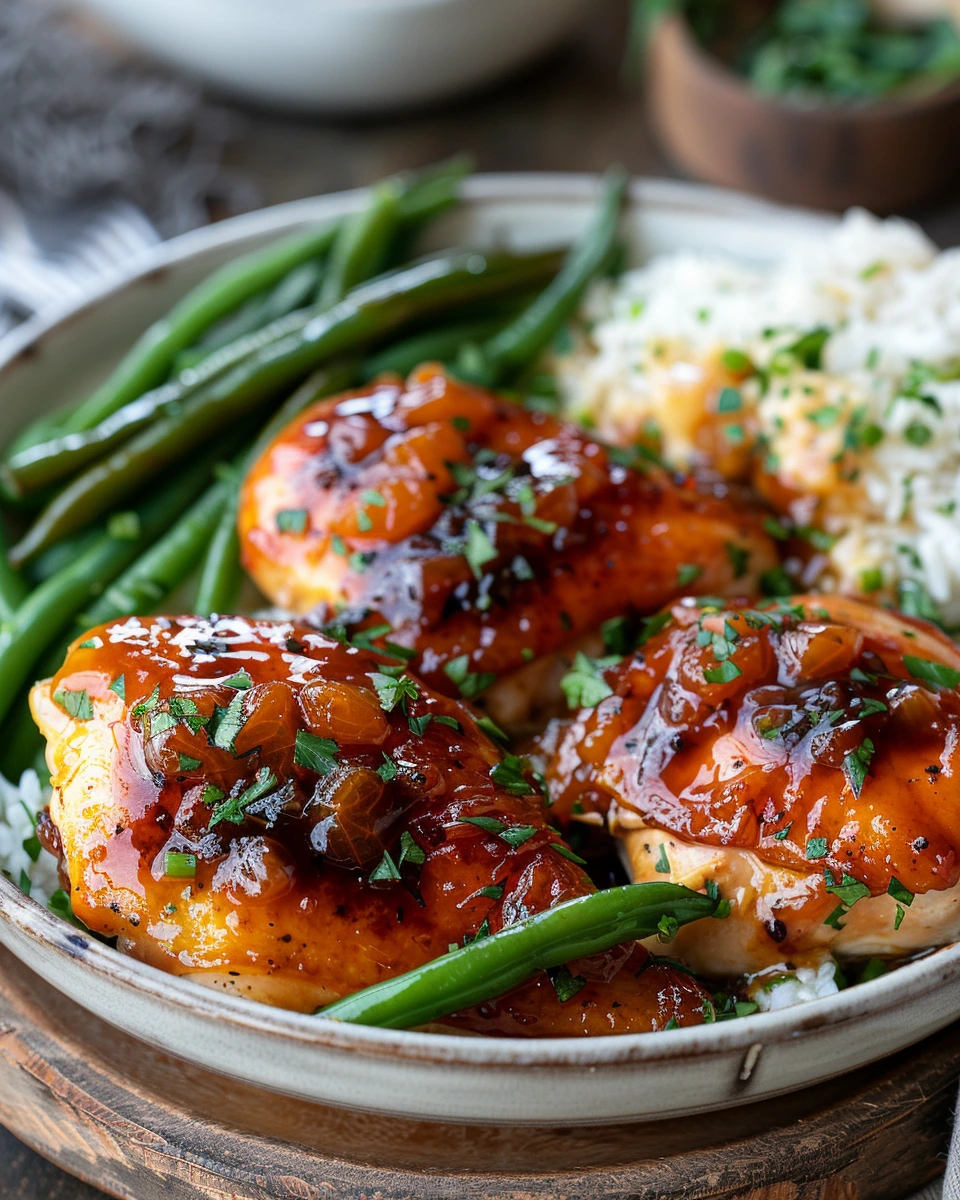
Chicken parmigiana evolved from Italian-American dishes such as eggplant and veal parmigiana, then became thoroughly Australian through pub culture. The local “parma” or “parmi” usually adds ham and arrives with chips and salad. Its popularity comes from excess used well: crisp schnitzel, tangy tomato, salty ham and bubbling cheese in one plate. Keeping the crumb crisp beneath the topping is the central technical test. The dish is a pub-menu institution and even inspires regional debates over its nickname. Parma nights, club meals and large casual portions make it part of contemporary Australian social eating.
Ingredients
- Main ingredients
- 2 piece chicken breastsabout 180g each, flattened
- 40 g plain flour
- 1 eggbeaten
- 100 g breadcrumbs
- 150 ml tomato passata
- 2 piece ham slices
- 100 g mozzarellagrated
- 25 g Parmesangrated
- 60 ml neutral oilfor shallow frying
Method
Prepare the ingredients
Flatten the chicken evenly. Measure everything before you start so the recipe scales cleanly from the dynamic ingredient quantities. Cut vegetables evenly so they soften at the same rate and the final texture is balanced.
Look for: The mixture should look even, seasoned and ready for the next stage. Tip: Keep the plating relaxed and generous, with a clean sauce or relish to balance richer elements. Avoid: Do not rush the seasoning; small adjustments at the end make the dish taste finished.Build the flavour
Coat in flour, egg and breadcrumbs. Work steadily and check texture rather than relying only on the clock.
Look for: The mixture should look even, seasoned and ready for the next stage. Tip: Keep the plating relaxed and generous, with a clean sauce or relish to balance richer elements. Avoid: Do not overmix once flour is added or the texture can become tough.Cook with colour
Fry until golden. Heat oil to about 180°C / 355°F; if it is too cool the food turns greasy, and if too hot the outside browns before the centre cooks.
Look for: The coating or surface should be crisp, evenly golden and not oily. Tip: Keep the plating relaxed and generous, with a clean sauce or relish to balance richer elements. Avoid: Do not overcrowd the pan because the oil temperature drops and the food absorbs oil.Check the texture
Spoon over tomato sauce. Work steadily and check texture rather than relying only on the clock.
Look for: The mixture should look even, seasoned and ready for the next stage. Tip: Keep the plating relaxed and generous, with a clean sauce or relish to balance richer elements. Avoid: Do not rush the seasoning; small adjustments at the end make the dish taste finished.Finish the seasoning
Top with ham and cheese. Work steadily and check texture rather than relying only on the clock.
Look for: The mixture should look even, seasoned and ready for the next stage. Tip: Keep the plating relaxed and generous, with a clean sauce or relish to balance richer elements. Avoid: Do not rush the seasoning; small adjustments at the end make the dish taste finished.Bake or roast
Bake until bubbling and cooked through. Preheat the oven to 180°C / 355°F and use the middle shelf unless the recipe needs strong top browning. Taste at the end for salt, acidity and richness; traditional versions should feel generous but balanced.
Look for: The outside should be golden and the centre should be cooked through without looking wet or raw. Tip: Keep the plating relaxed and generous, with a clean sauce or relish to balance richer elements. Avoid: Do not rush the seasoning; small adjustments at the end make the dish taste finished.
Nutrition
per serving
Estimated from the upgraded serves-2 metric ingredient list; verify with a nutrition calculator before making health claims.