The story
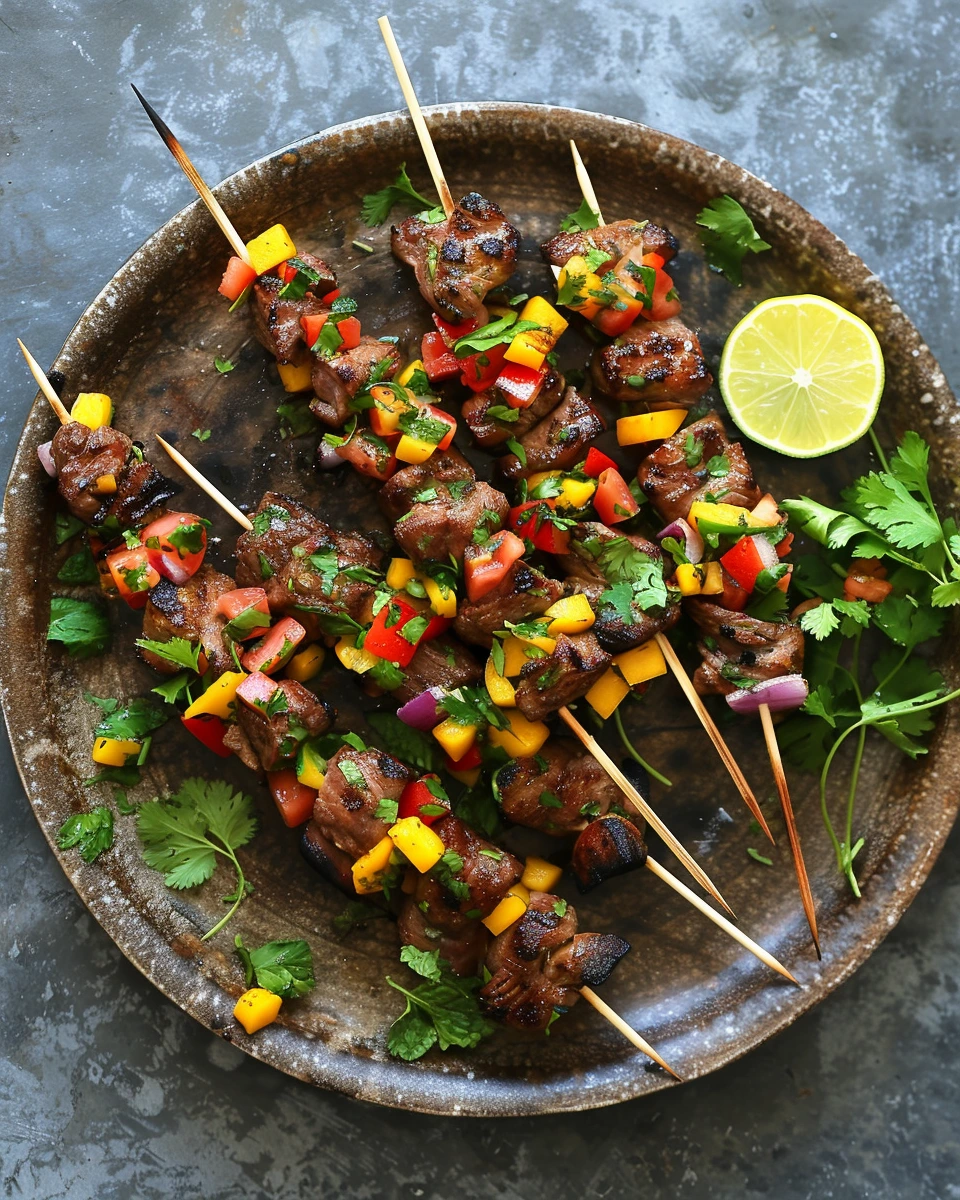
Crocodile has long been eaten by Indigenous communities in northern Australia. Farmed crocodile later entered tourism and restaurant menus, often paired with tropical Queensland and Northern Territory produce. The lean white meat is mild, somewhere between poultry and firm fish, and benefits from brief cooking. Mango salsa supplies sweetness, acid and moisture without overwhelming it. The dish is associated with northern Australian dining and adventurous tourism. The best versions move beyond novelty by treating crocodile as a quality regional protein.
Ingredients
- Main ingredients
- 300 g crocodile filletcubed
- 1 tbsp lime juice
- 1 piece garlic clovescrushed
- 1 tbsp olive oil
- 1 piece mangodiced
- 0.25 piece red onionfinely diced
- 10 g corianderchopped
- 0.5 piece red chillifinely diced
Method
Prepare the ingredients
Cut crocodile into even cubes. Measure everything before you start so the recipe scales cleanly from the dynamic ingredient quantities. Cut vegetables evenly so they soften at the same rate and the final texture is balanced.
Look for: The mixture should look even, seasoned and ready for the next stage. Tip: Keep the plating relaxed and generous, with a clean sauce or relish to balance richer elements. Avoid: Do not rush the seasoning; small adjustments at the end make the dish taste finished.Season properly
Marinate briefly with lime, garlic and oil. Work steadily and check texture rather than relying only on the clock.
Look for: The mixture should look even, seasoned and ready for the next stage. Tip: Keep the plating relaxed and generous, with a clean sauce or relish to balance richer elements. Avoid: Do not rush the seasoning; small adjustments at the end make the dish taste finished.Cook the dish
Make mango salsa with onion, coriander and chilli. Work steadily and check texture rather than relying only on the clock.
Look for: The mixture should look even, seasoned and ready for the next stage. Tip: Keep the plating relaxed and generous, with a clean sauce or relish to balance richer elements. Avoid: Do not rush the seasoning; small adjustments at the end make the dish taste finished.Check the texture
Thread meat onto skewers. Work steadily and check texture rather than relying only on the clock.
Look for: The mixture should look even, seasoned and ready for the next stage. Tip: Keep the plating relaxed and generous, with a clean sauce or relish to balance richer elements. Avoid: Do not rush the seasoning; small adjustments at the end make the dish taste finished.Cook with colour
Grill quickly until just cooked. Use a hot grill or barbecue, roughly 220°C / 430°F at the grate, so the outside browns quickly without drying out.
Look for: Look for deep browning, light charring and juices resting back into the meat before slicing. Tip: Keep the plating relaxed and generous, with a clean sauce or relish to balance richer elements. Avoid: Do not rush the seasoning; small adjustments at the end make the dish taste finished.Finish and serve
Serve with salsa. Taste at the end for salt, acidity and richness; traditional versions should feel generous but balanced.
Look for: The mixture should look even, seasoned and ready for the next stage. Tip: Keep the plating relaxed and generous, with a clean sauce or relish to balance richer elements. Avoid: Do not rush the seasoning; small adjustments at the end make the dish taste finished.
Nutrition
per serving
Estimated from the upgraded serves-2 metric ingredient list; verify with a nutrition calculator before making health claims.