The story
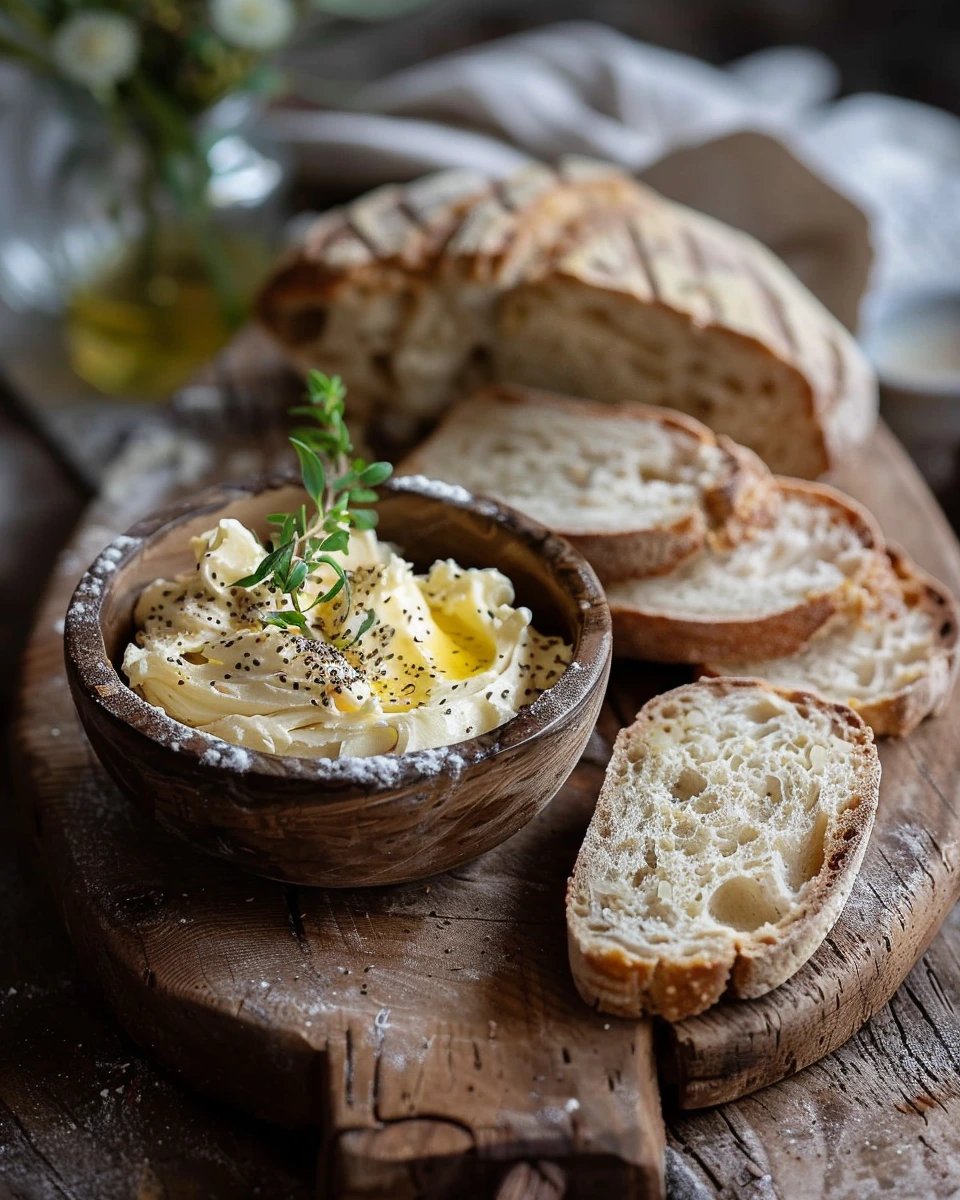
Damper developed as a practical flour bread for stockmen, drovers and travellers who cooked over campfires with few ingredients. This version brings the colonial bush bread together with wattleseed, a native ingredient used by Aboriginal communities long before European settlement. Its appeal lies in the crisp outer crust, tender crumb and the contrast between plain warm bread and aromatic butter. Wattleseed adds roasted hazelnut, cocoa and coffee notes without making the bread sweet. Damper remains strongly associated with camp cooking, school excursions and stories of rural Australia. Using wattleseed also acknowledges a much older native food tradition beyond the familiar colonial narrative.
Ingredients
- Main ingredients
- 250 g plain flour
- 2 tsp baking powder
- 0.5 tsp fine salt
- 160 ml milk
- 35 g unsalted buttercold, for dough
- 1 tsp wattleseedground
- 1 tbsp honeyfor butter
- 60 g unsalted buttersoftened, for wattleseed butter
Method
Prepare the ingredients
Mix flour, baking powder and salt. Measure everything before you start so the recipe scales cleanly from the dynamic ingredient quantities. Cut vegetables evenly so they soften at the same rate and the final texture is balanced.
Look for: The outside should be golden and the centre should be cooked through without looking wet or raw. Tip: Wattleseed gives a nutty roasted note; use it lightly so it supports rather than dominates. Avoid: Do not overmix once flour is added or the texture can become tough.Build the flavour
Rub in a little butter. Work steadily and check texture rather than relying only on the clock.
Look for: The outside should be golden and the centre should be cooked through without looking wet or raw. Tip: Wattleseed gives a nutty roasted note; use it lightly so it supports rather than dominates. Avoid: Do not overmix once flour is added or the texture can become tough.Cook the dish
Add milk and bring together into a soft dough. Work steadily and check texture rather than relying only on the clock.
Look for: The outside should be golden and the centre should be cooked through without looking wet or raw. Tip: Wattleseed gives a nutty roasted note; use it lightly so it supports rather than dominates. Avoid: Do not overmix once flour is added or the texture can become tough.Check the texture
Shape into a round loaf. Work steadily and check texture rather than relying only on the clock.
Look for: The outside should be golden and the centre should be cooked through without looking wet or raw. Tip: Wattleseed gives a nutty roasted note; use it lightly so it supports rather than dominates. Avoid: Do not overmix once flour is added or the texture can become tough.Bake or roast
Bake until golden and hollow sounding. Preheat the oven to 180°C / 355°F and use the middle shelf unless the recipe needs strong top browning.
Look for: The outside should be golden and the centre should be cooked through without looking wet or raw. Tip: Wattleseed gives a nutty roasted note; use it lightly so it supports rather than dominates. Avoid: Do not overmix once flour is added or the texture can become tough.Finish and serve
Serve warm with wattleseed butter and honey. Taste at the end for salt, acidity and richness; traditional versions should feel generous but balanced.
Look for: The outside should be golden and the centre should be cooked through without looking wet or raw. Tip: Wattleseed gives a nutty roasted note; use it lightly so it supports rather than dominates. Avoid: Do not overmix once flour is added or the texture can become tough.
Nutrition
per serving
Estimated from the upgraded serves-2 metric ingredient list; verify with a nutrition calculator before making health claims.