The story
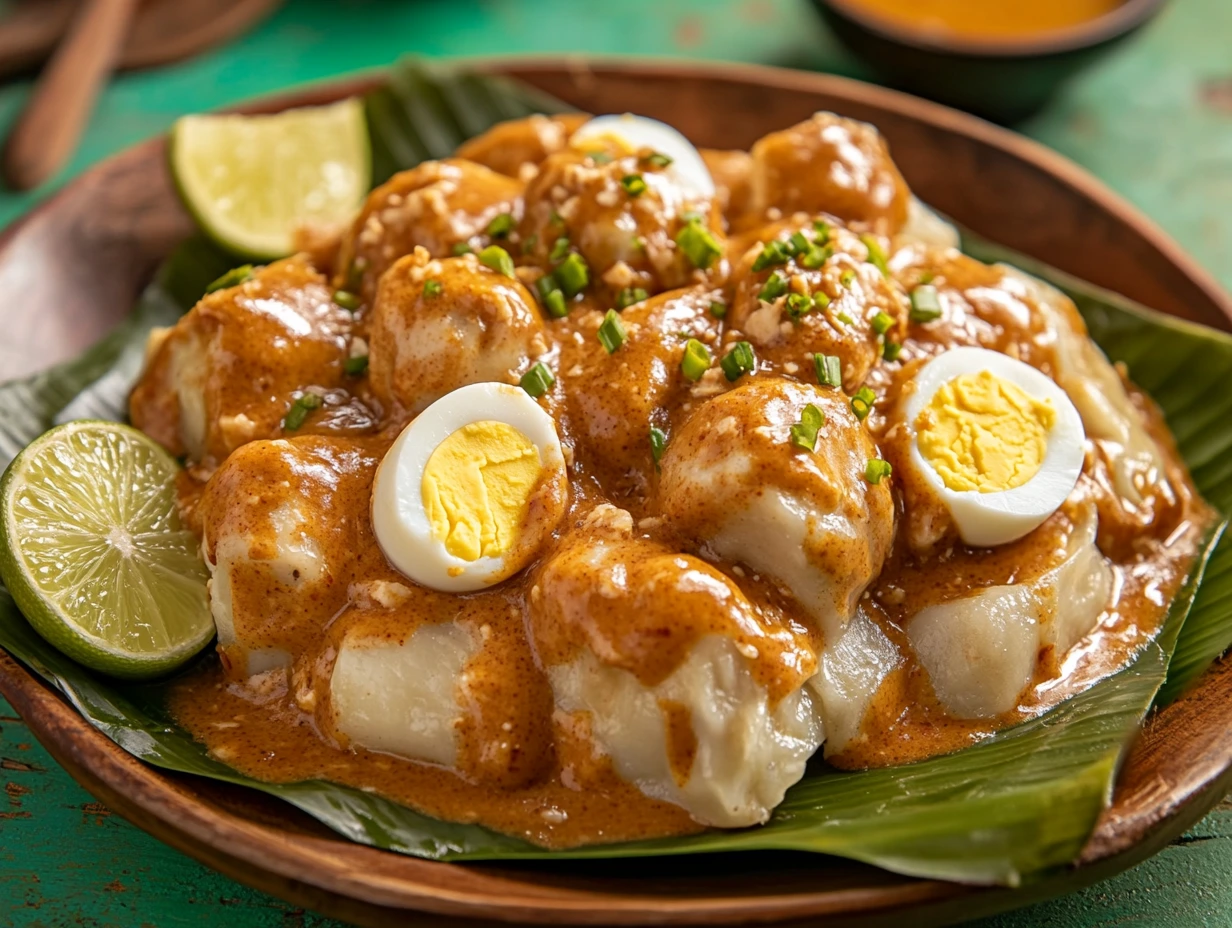
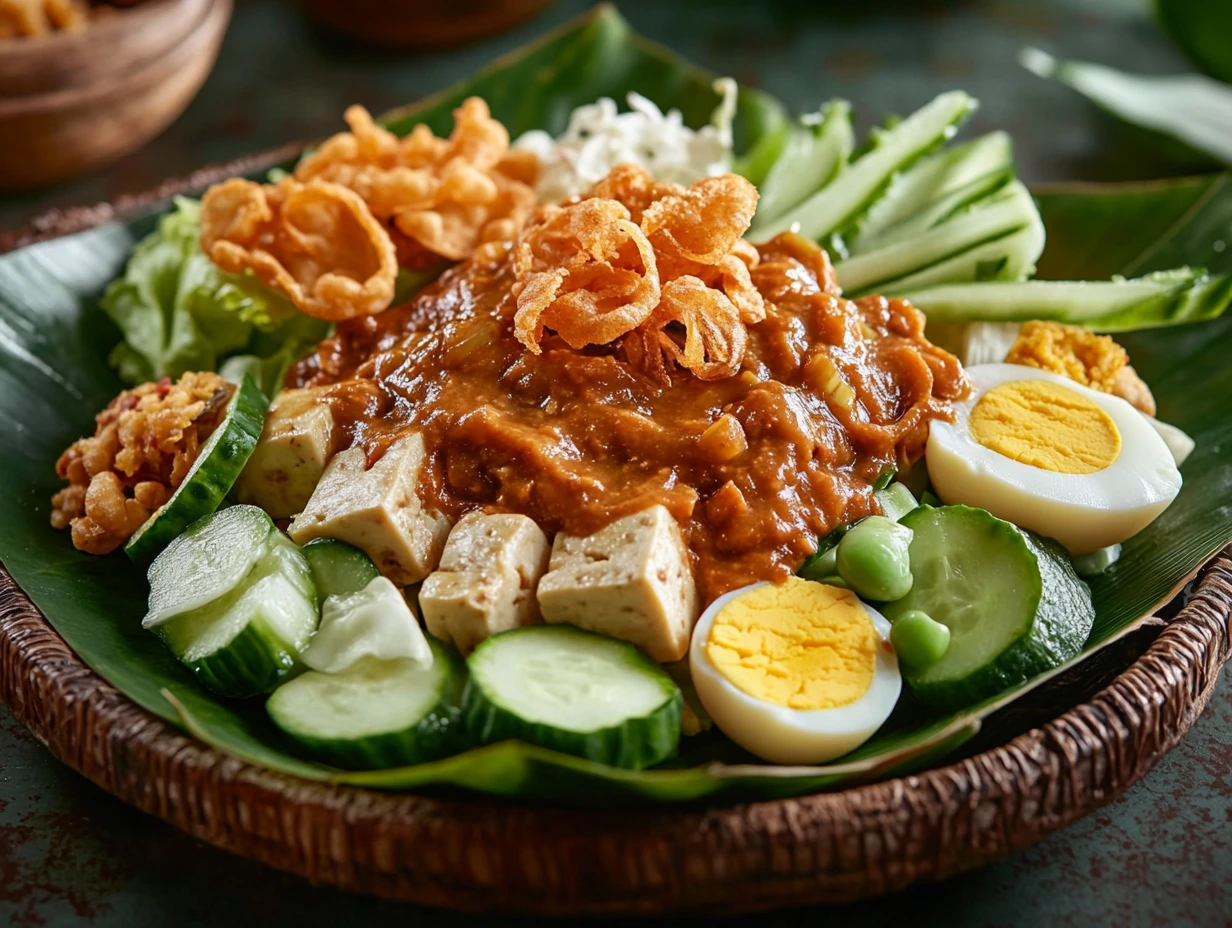
Gado-Gado developed within Java and urban Indonesian street-food culture, where local cooks shaped the dish around available ingredients, established methods and the occasion on which it was eaten. What makes it distinctive is blanched vegetables, tofu, tempeh, egg and peanut sauce. The technique should preserve contrast and prevent the finished dish from becoming heavy or indistinct. Gado-Gado is particularly associated with lunches and shared vegetable meals. That setting is central to understanding the dish: it explains when it is eaten, what accompanies it and why it continues to matter within Indonesian food culture.
Ingredients
- Main
- 250 g cabbage250 g cabbage, blanched
- 200 g green beans200 g green beans, blanched
- 200 g bean sprouts200 g bean sprouts, blanched
- 200 g firm tofu200 g firm tofu, fried
- 150 g tempeh150 g tempeh, fried
- 2 piece boiled eggs2 boiled eggs, halved
Method
Prepare the vegetables
Cut cabbage into wide shreds, trim green beans into 4 cm lengths and rinse bean sprouts. Blanch each vegetable separately in salted boiling water for 30-90 seconds, then refresh in cold water.
Look for: Vegetables should be bright and still slightly crisp. Tip: Drain very well so the peanut sauce does not become watery. Avoid: Do not boil everything together or the textures become dull.Fry the tofu and tempeh
Cut tofu and tempeh into bite-sized rectangles. Fry in 1 cm neutral oil over medium-high heat for 3-4 minutes per side until golden, then drain on paper.
Look for: Edges should be crisp but centres still tender. Tip: Salt lightly while hot. Avoid: Oil that is too cool makes tofu greasy.Make the peanut sauce
Pound or blend peanuts with garlic, chilli, palm sugar, tamarind, kecap manis and warm water until spoonable. Taste for sweet, salty, sour and chilli balance.
Look for: Sauce should coat a spoon but still pour. Tip: Warm water wakes up the peanut oils. Avoid: A thick paste will sit heavily on the vegetables.Build the plate
Arrange vegetables, tofu, tempeh and halved boiled eggs in separate patches rather than mixing everything at once.
Look for: The plate should show colour and contrast. Tip: This keeps the fried pieces crisp for longer. Avoid: Do not drown the salad before serving.Serve with crunch
Spoon peanut sauce over the top and finish with fried shallots, cucumber and krupuk if you have them.
Look for: Sauce should cling to the vegetables. Tip: Serve extra sauce on the side. Avoid: Avoid adding crackers too early because they soften.
Nutrition
per serving
Estimated from the upgraded metric ingredient list and traditional preparation; review before making formal nutritional claims.