The story
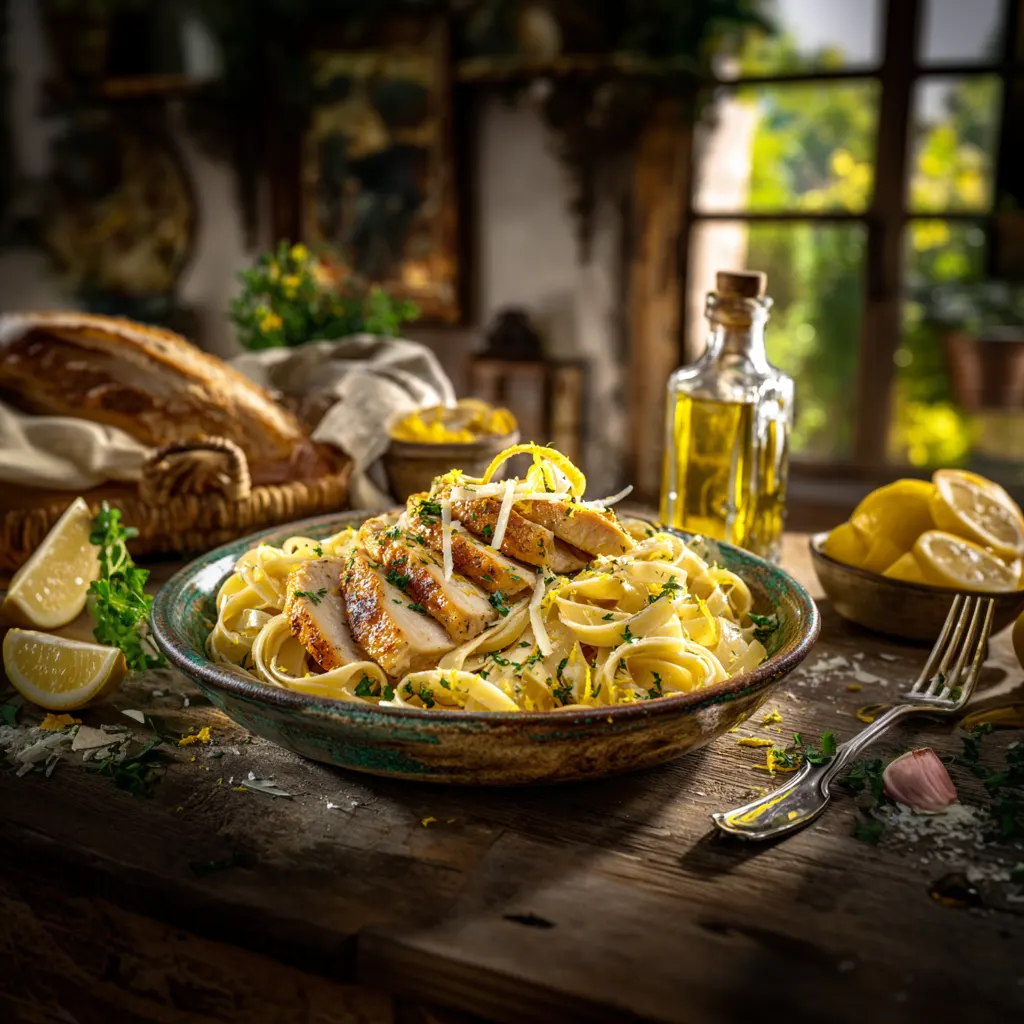
Lemon Chicken Pasta is rooted in A modern Italian-inspired pasta rather than a single historic regional classic. Lemon chicken pasta is best understood as a contemporary Italian-inspired dish built from familiar Italian flavour combinations rather than a codified regional recipe. Citrus, olive oil, herbs, pasta and poultry all have established places in Italian cooking, but this particular combination is especially common in modern home and restaurant cooking. Its popularity comes from the balance between comforting pasta and a bright lemon-led sauce. Chicken makes it substantial, while citrus prevents the dish from feeling heavy and works well with Parmesan, garlic and herbs. The dish shows how Italian cooking continues to inspire new combinations outside strict regional traditions. It works particularly well as an accessible weeknight meal, provided it is described honestly as Italian-inspired rather than presented as an ancient national classic.
Ingredients
- Main
- 180 g linguine360 g linguine
- 1 piece chicken breasts2 chicken breasts, 350 g total, sliced
- 1 tbsp olive oil2 tbsp olive oil
- 0.5 piece garlic clove1 garlic clove, finely grated
- 0.5 piece unwaxed lemon1 unwaxed lemon, zest and 3 tbsp juice
- 40 ml dry white wine80 ml dry white wine
- 20 g Parmesan40 g parmesan, grated
- 10 g butter20 g butter
- 5 g parsley10 g parsley, chopped
- 0.5 tsp sea salt1 tsp fine sea salt
- to taste to taste black pepperblack pepper
Method
Prepare ingredients
Measure all ingredients for Lemon Chicken Pasta; trim, slice, grate or rinse as listed before heating the pan.
Look for: Everything should be ready before cooking starts. Tip: Keep grated cheese, herbs and pasta water within reach. Avoid: Italian dishes often fail when timing is improvised after the pan is hot.Start the base
Cook the aromatics, main fat or first ingredient over controlled heat so the flavour base develops without scorching.
Look for: The base should smell rounded and savoury. Tip: Use medium heat unless the recipe specifically needs frying. Avoid: High heat can burn garlic, onions, butter or cured pork.Cook the main element
Add the principal ingredient and cook according to its texture: pasta until al dente, meat until tender, rice until creamy, or vegetables until soft but defined.
Look for: The central ingredient should be cooked but still have character. Tip: Taste as you go; texture matters more than the clock. Avoid: Do not overcook pasta, seafood, liver or rice.Build the sauce or finish
Use stock, wine, tomato, cheese, pasta water or cooking juices to create a coating sauce rather than a watery pool.
Look for: The sauce should cling to the food. Tip: Reduce, emulsify or fold gently depending on the dish. Avoid: Adding too much liquid at once makes the dish flat.Rest or bake if needed
Let the dish settle briefly, or bake until bubbling and set where the recipe is layered or braised.
Look for: Flavours should taste integrated. Tip: A short rest improves braises, bakes and stews. Avoid: Serving immediately from violent heat can make sauces split.Serve traditionally
Serve Lemon Chicken Pasta warm with simple garnishes and sides that match its region.
Look for: The plate should look generous but not overloaded. Tip: Finish with good olive oil, herbs, pepper or cheese only where appropriate. Avoid: Avoid adding non-traditional extras that hide the core flavours.
Nutrition
per serving
Estimated from the exact ingredient measures in the recipe text. Validate with your preferred nutrition calculator before publishing.