The story
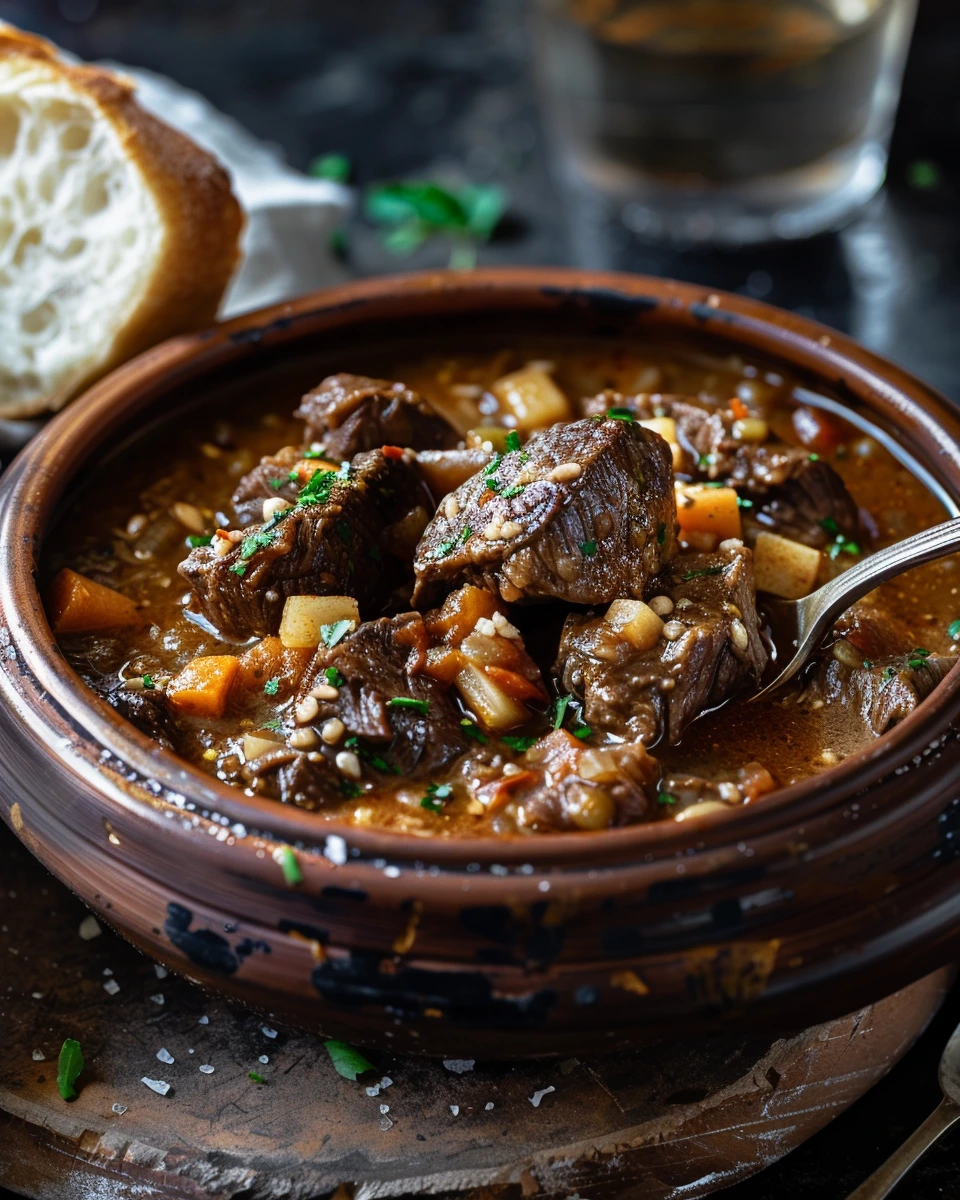
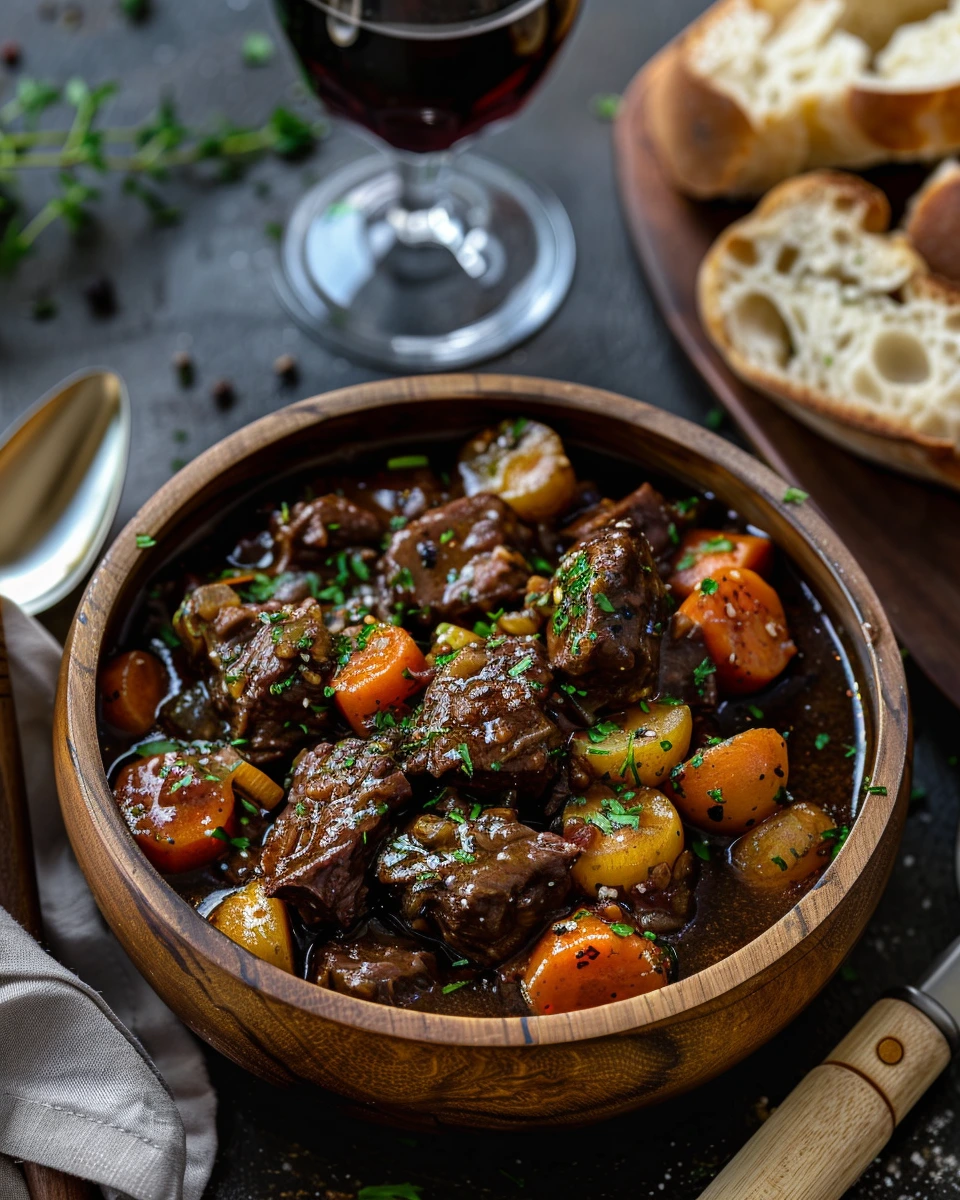
Vegemite has been an Australian pantry staple since the 1920s. Using it in stew is a modern home-cooking technique that treats the yeast spread as concentrated seasoning rather than a toast topping. Its glutamates deepen beef flavour and colour the gravy without making the dish taste obviously of Vegemite when used carefully. Slow cooking turns economical beef cuts meltingly tender. The stew reflects practical Australian family cooking and the willingness to use a national pantry icon beyond breakfast. It works particularly well in cold weather and batch cooking.
Ingredients
- Main ingredients
- 500 g beef chuckdiced
- 1 piece oniondiced
- 2 piece carrotchunked
- 2 piece celery stickssliced
- 500 ml beef stock
- 1 tbsp Vegemite
- 150 ml red wine
- 400 g potatoes
Method
Prepare the ingredients
Brown beef in batches. Measure everything before you start so the recipe scales cleanly from the dynamic ingredient quantities. Slice meat across the grain where it will be served sliced, and keep steaks even in thickness so they cook at the same speed.
Look for: Look for deep browning, light charring and juices resting back into the meat before slicing. Tip: Keep the plating relaxed and generous, with a clean sauce or relish to balance richer elements. Avoid: Do not slice meat with the grain; cutting across the grain keeps it tender.Build the flavour
Cook onion, carrot and celery. Work steadily and check texture rather than relying only on the clock.
Look for: The sauce should look glossy and slightly thickened, with meat or vegetables tender but not falling apart unless intended. Tip: Keep the plating relaxed and generous, with a clean sauce or relish to balance richer elements. Avoid: Do not rush the seasoning; small adjustments at the end make the dish taste finished.Cook the dish
Add stock, red wine and a little Vegemite. Work steadily and check texture rather than relying only on the clock.
Look for: The sauce should look glossy and slightly thickened, with meat or vegetables tender but not falling apart unless intended. Tip: Keep the plating relaxed and generous, with a clean sauce or relish to balance richer elements. Avoid: Do not rush the seasoning; small adjustments at the end make the dish taste finished.Check the texture
Return beef to the pot. Work steadily and check texture rather than relying only on the clock.
Look for: The sauce should look glossy and slightly thickened, with meat or vegetables tender but not falling apart unless intended. Tip: Keep the plating relaxed and generous, with a clean sauce or relish to balance richer elements. Avoid: Do not rush the seasoning; small adjustments at the end make the dish taste finished.Simmer gently
Simmer slowly until tender. Keep it at a gentle simmer, around 90°C / 195°F, with only small bubbles breaking the surface.
Look for: The sauce should look glossy and slightly thickened, with meat or vegetables tender but not falling apart unless intended. Tip: Keep the plating relaxed and generous, with a clean sauce or relish to balance richer elements. Avoid: Do not rush the seasoning; small adjustments at the end make the dish taste finished.Serve traditionally
Add potatoes near the end and cook until soft. Taste at the end for salt, acidity and richness; traditional versions should feel generous but balanced.
Look for: The sauce should look glossy and slightly thickened, with meat or vegetables tender but not falling apart unless intended. Tip: Keep the plating relaxed and generous, with a clean sauce or relish to balance richer elements. Avoid: Do not rush the seasoning; small adjustments at the end make the dish taste finished.
Nutrition
per serving
Estimated from the upgraded serves-2 metric ingredient list; verify with a nutrition calculator before making health claims.