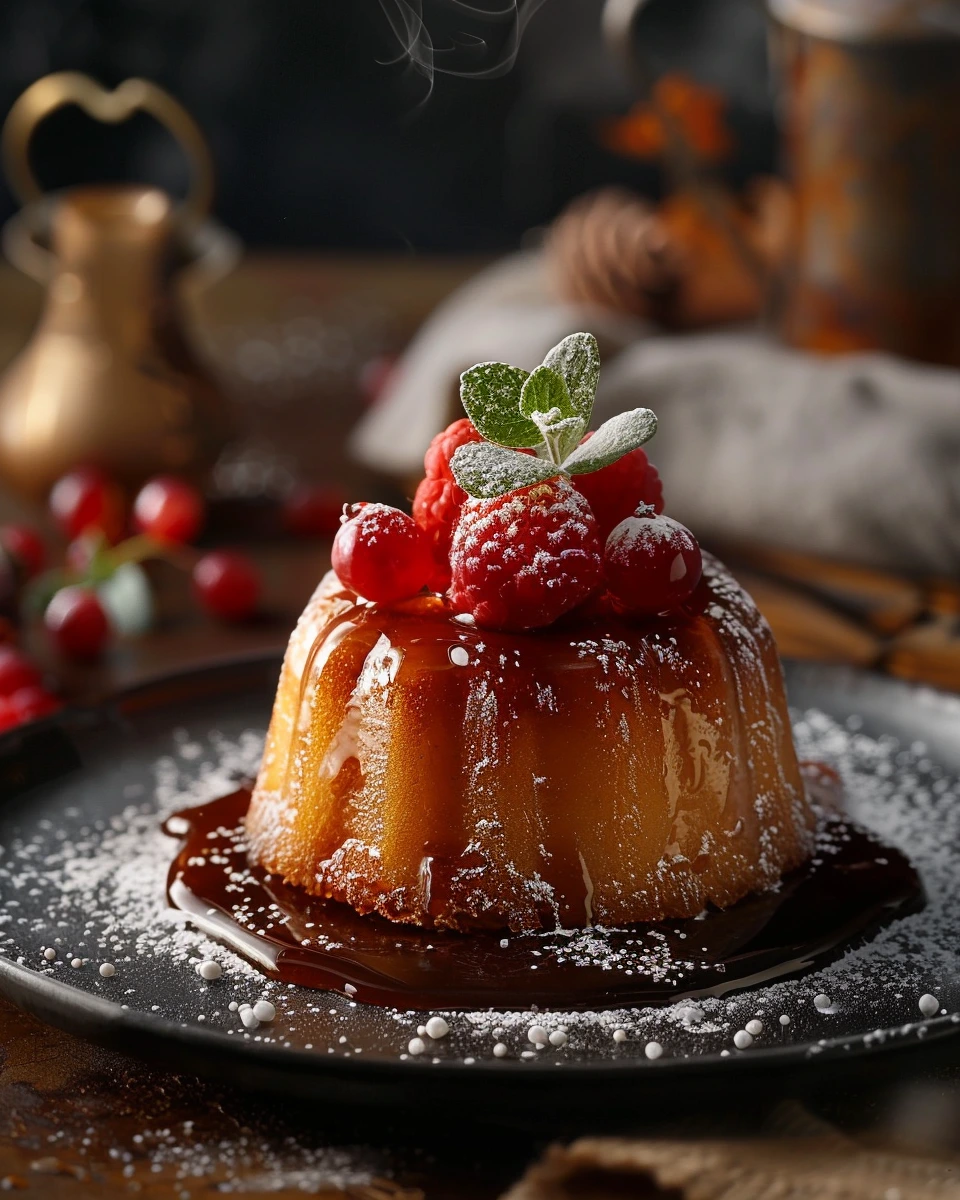
The story
Baba al Rum is rooted in Naples and Campania, adapted from a Central European pastry. Babà al rum reached its defining Italian form in Naples after travelling through European court and pastry traditions. Neapolitan bakers adopted the yeasted cake and made generous soaking in rum syrup central to its identity. It is famous for an extraordinary sponge that is light yet saturated with aromatic syrup. A good babà holds together when soaked, releasing rum and citrus-scented syrup with every bite rather than collapsing into mush. In Naples, babà is an everyday icon of the pasticceria as well as a celebratory pastry. Its foreign ancestry and thoroughly Neapolitan adoption show how Italian regional cuisines have absorbed outside influences and made them local.
Ingredients
- Main
- 62.5 g strong white flour250 g strong white flour
- 1.75 g yeast7 g dried yeast
- 7.5 g caster sugar30 g caster sugar
- 1 piece eggs4 eggs
- 20 g butter80 g butter, softened
- 0.13 tsp salt1/2 tsp salt
- 75 ml water300 ml water
- 50 g sugar200 g sugar for syrup
- 30 ml dark rum120 ml dark rum
- lemon peellemon peel
Method
Prepare ingredients
Measure the ingredients for Baba al Rum accurately before starting.
Look for: Ingredients should be weighed and ready. Tip: Use scales rather than cups for consistent results. Avoid: Desserts are less forgiving than savoury cooking.Make the base
Prepare the cream, dough, custard, filling or syrup base using gentle, controlled mixing.
Look for: The base should look smooth and even. Tip: Scrape the bowl often so nothing is unmixed. Avoid: Overmixing pastry or overheating custard can spoil texture.Cook or chill
Cook, bake, fry, whisk over heat, or chill according to the dessert style until the correct texture is reached.
Look for: Look for the texture cue rather than relying only on time. Tip: Keep heat moderate unless deep-frying pastry. Avoid: Rushing chilling or frying too hot gives poor structure.Assemble
Layer, fill, soak, glaze or portion the dessert neatly.
Look for: The dessert should hold its shape but look generous. Tip: Assemble close to serving where crispness matters. Avoid: Filling too early can soften crisp pastry.Rest
Rest or chill so flavours settle and the texture becomes clean.
Look for: Flavours should taste rounded. Tip: Many Italian desserts improve after a short rest. Avoid: Serving too soon can taste raw or loose.Serve
Serve Baba al Rum in its traditional style, with only simple finishing touches.
Look for: Presentation should be simple and appetising. Tip: Use cocoa, icing sugar, candied fruit or syrup only where traditional. Avoid: Do not add heavy decorations that hide the dessert.
Nutrition
per serving
Estimated from the exact ingredient measures in the recipe text. Validate with your preferred nutrition calculator before publishing.