The story
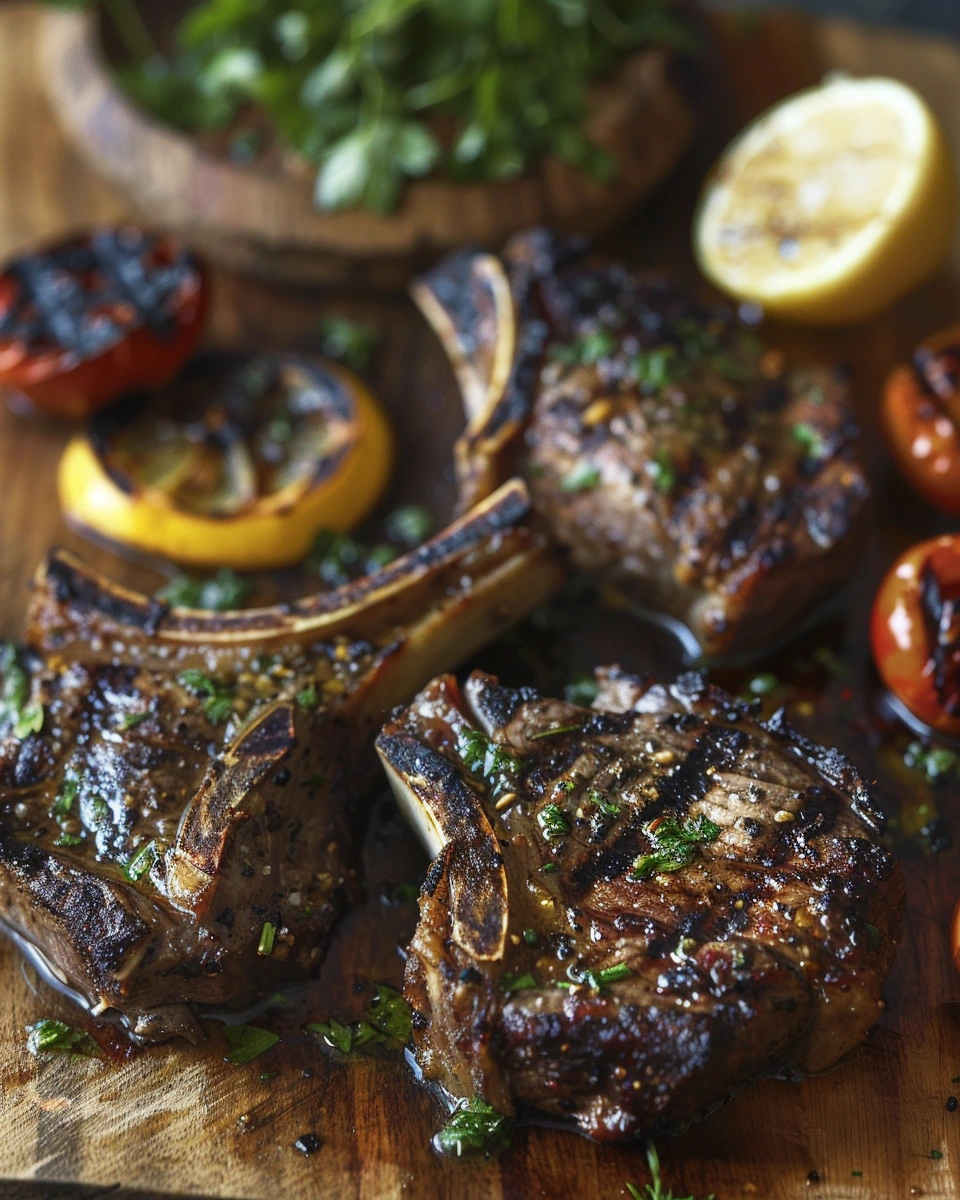
Australian lamb chops became a barbecue standard as suburban outdoor cooking expanded after the Second World War. The dish draws on the country’s sheep industry and the social culture of cooking meat outside. A chop offers crisp rendered fat, smoky edges and a juicy centre in a quick-cooking portion. Minimal seasoning lets the lamb remain central, while lemon or herbs prevent heaviness. They are common at backyard barbecues, community events and relaxed family meals. Cooking chops while people gather around the grill makes the preparation part of the occasion.
Ingredients
- Main ingredients
- 4 piece lamb chops
- 1.5 tbsp olive oil
- 2 piece garlic clovescrushed
- 1 tsp rosemarychopped
- 1 lemonzested and juiced
- 0.5 tsp fine salt
- 120 g green saladto serve
Method
Prepare the ingredients
Marinate lamb chops with oil, garlic, rosemary and lemon. Measure everything before you start so the recipe scales cleanly from the dynamic ingredient quantities. Slice meat across the grain where it will be served sliced, and keep steaks even in thickness so they cook at the same speed.
Look for: Look for deep browning, light charring and juices resting back into the meat before slicing. Tip: Keep the plating relaxed and generous, with a clean sauce or relish to balance richer elements. Avoid: Do not slice meat with the grain; cutting across the grain keeps it tender.Cook with colour
Heat the barbecue or grill. Use a hot grill or barbecue, roughly 220°C / 430°F at the grate, so the outside browns quickly without drying out.
Look for: Look for deep browning, light charring and juices resting back into the meat before slicing. Tip: Keep the plating relaxed and generous, with a clean sauce or relish to balance richer elements. Avoid: Do not slice meat with the grain; cutting across the grain keeps it tender.Cut and prepare
Cook chops over high heat. Work steadily and check texture rather than relying only on the clock.
Look for: Look for deep browning, light charring and juices resting back into the meat before slicing. Tip: Keep the plating relaxed and generous, with a clean sauce or relish to balance richer elements. Avoid: Do not slice meat with the grain; cutting across the grain keeps it tender.Check the texture
Turn once for charred edges. Work steadily and check texture rather than relying only on the clock.
Look for: Look for deep browning, light charring and juices resting back into the meat before slicing. Tip: Keep the plating relaxed and generous, with a clean sauce or relish to balance richer elements. Avoid: Do not slice meat with the grain; cutting across the grain keeps it tender.Finish the seasoning
Rest briefly. Work steadily and check texture rather than relying only on the clock.
Look for: Look for deep browning, light charring and juices resting back into the meat before slicing. Tip: Keep the plating relaxed and generous, with a clean sauce or relish to balance richer elements. Avoid: Do not slice meat with the grain; cutting across the grain keeps it tender.Finish and serve
Serve with salad and lemon. Taste at the end for salt, acidity and richness; traditional versions should feel generous but balanced.
Look for: Look for deep browning, light charring and juices resting back into the meat before slicing. Tip: Keep the plating relaxed and generous, with a clean sauce or relish to balance richer elements. Avoid: Do not slice meat with the grain; cutting across the grain keeps it tender.
Nutrition
per serving
Estimated from the upgraded serves-2 metric ingredient list; verify with a nutrition calculator before making health claims.