The story
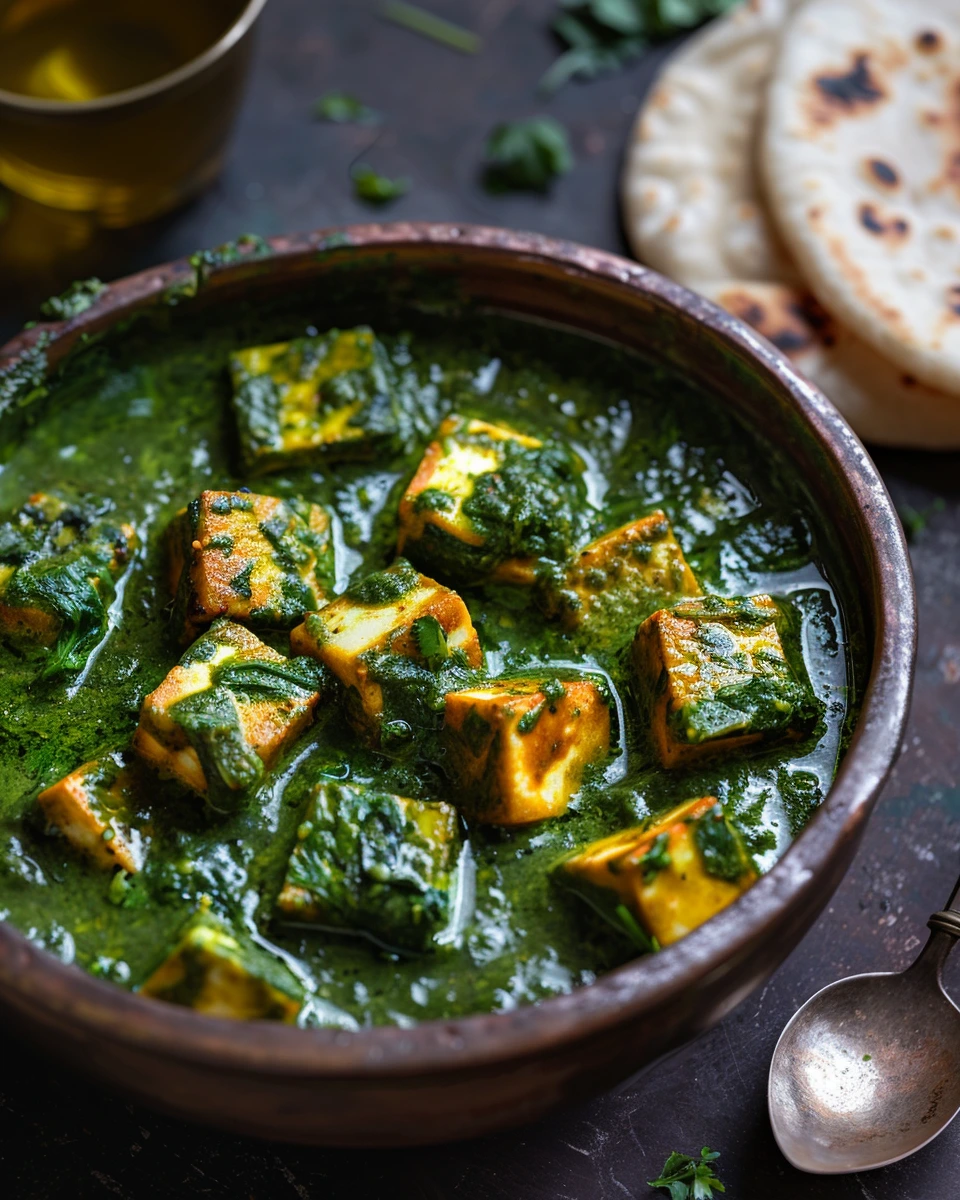
Saag Paneer is rooted in Punjab and northern India. Its established form reflects local ingredients and the practical techniques used to prepare it for the table. The dish is known for leafy greens, paneer, ginger, garlic and ghee. It succeeds when it is prepared with careful control of seasoning and texture, allowing the defining flavours and textures to remain clear. Saag Paneer is particularly associated with winter meals and vegetarian restaurant menus. That setting is central to understanding the dish: it explains when it is eaten, what accompanies it and why it continues to matter within Indian food culture.
Ingredients
- Main ingredients
- 250 gram spinach
- 100 gram mustard greens or extra spinach
- 150 gram paneer cubes
- 1 tablespoon ghee
- 0.5 piece onion, finely chopped
- 0.5 tablespoon ginger-garlic paste
- reen chilli1 green chilli
- 0.5 teaspoon cumin seeds
- 0.25 teaspoon turmeric
- 0.5 teaspoon garam masala
- 30 millilitre cream, optionaloptional
- 0.5 to taste salt
Method
Cut and organise
Cut meat, paneer or vegetables into even pieces; slice onions thinly and chop tomatoes small so the masala cooks smoothly.
Look for: Everything is prepared before the pan is hot. Tip: Thin onions brown better and give body to the sauce. Avoid: Uneven pieces cook at different speeds.Bloom the spices
Heat ghee or oil over medium heat, then cook whole spices and aromatics until fragrant before adding ground spices.
Look for: Spices sizzle gently and smell rounded. Tip: Keep the heat controlled and add a splash of water if spices catch. Avoid: Burnt spices make the whole curry bitter.Cook the masala properly
Cook onions, ginger-garlic, tomatoes and spices until the oil begins to separate and the raw smell has gone.
Look for: Masala looks darker, glossy and concentrated. Tip: This is where most curry flavour is built. Avoid: Rushing this stage leaves a harsh taste.Simmer gently
Add the main ingredient and simmer at 90–95°C / 195–203°F until tender, adding water or stock gradually.
Look for: Sauce bubbles lazily and coats the ingredient. Tip: Stir from the bottom so thick masalas do not stick. Avoid: A hard boil toughens meat and can split dairy.Finish with balance
Finish with garam masala, herbs, cream, coconut, kasuri methi, lemon or tamarind depending on the dish.
Look for: Flavour tastes rounded: salty, spicy, sour or rich as needed. Tip: Rest curries briefly before serving for a deeper flavour. Avoid: Do not add delicate finishing spices too early.
Nutrition
per serving
Estimated from recipe quantities and typical ingredients; review before publishing formal nutritional claims.