The story
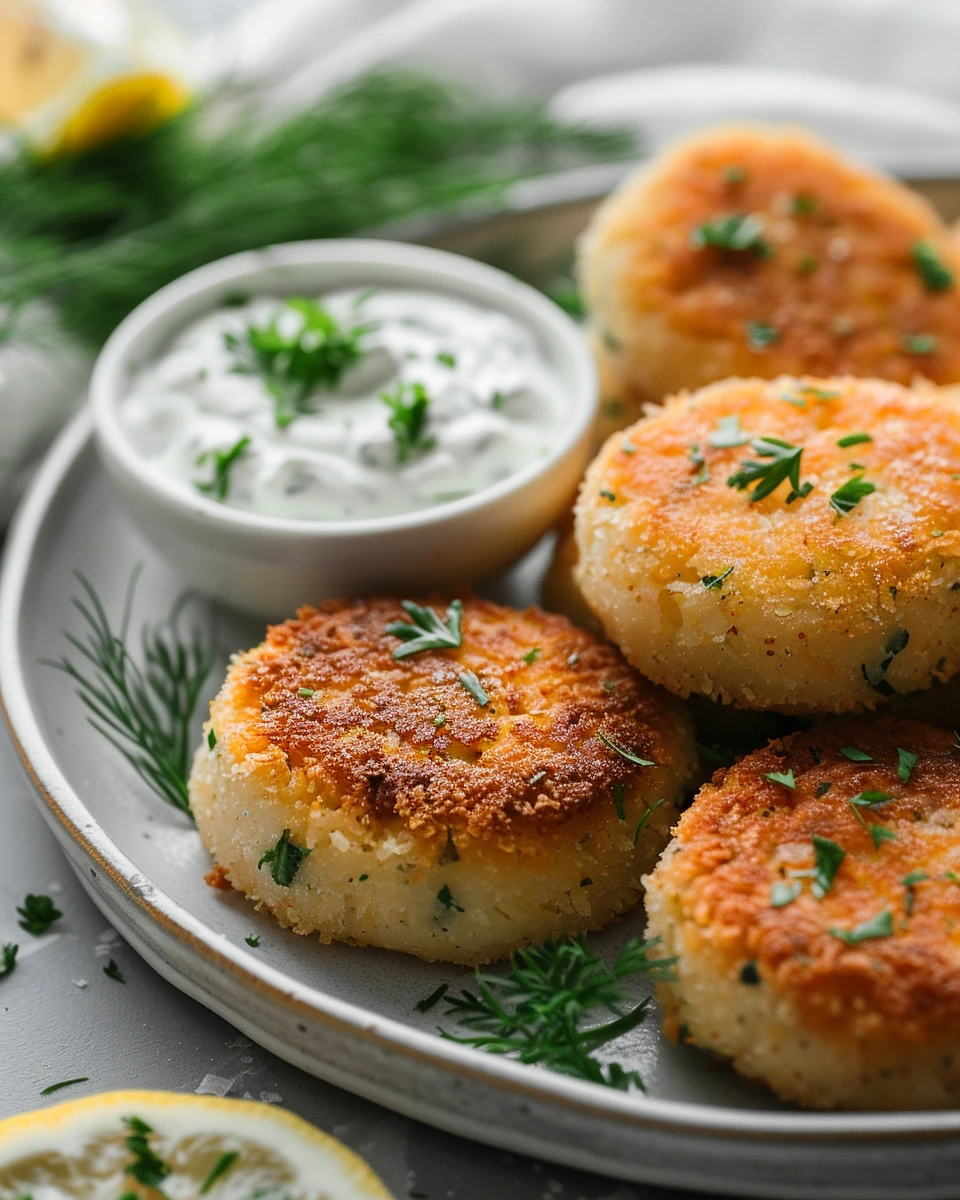
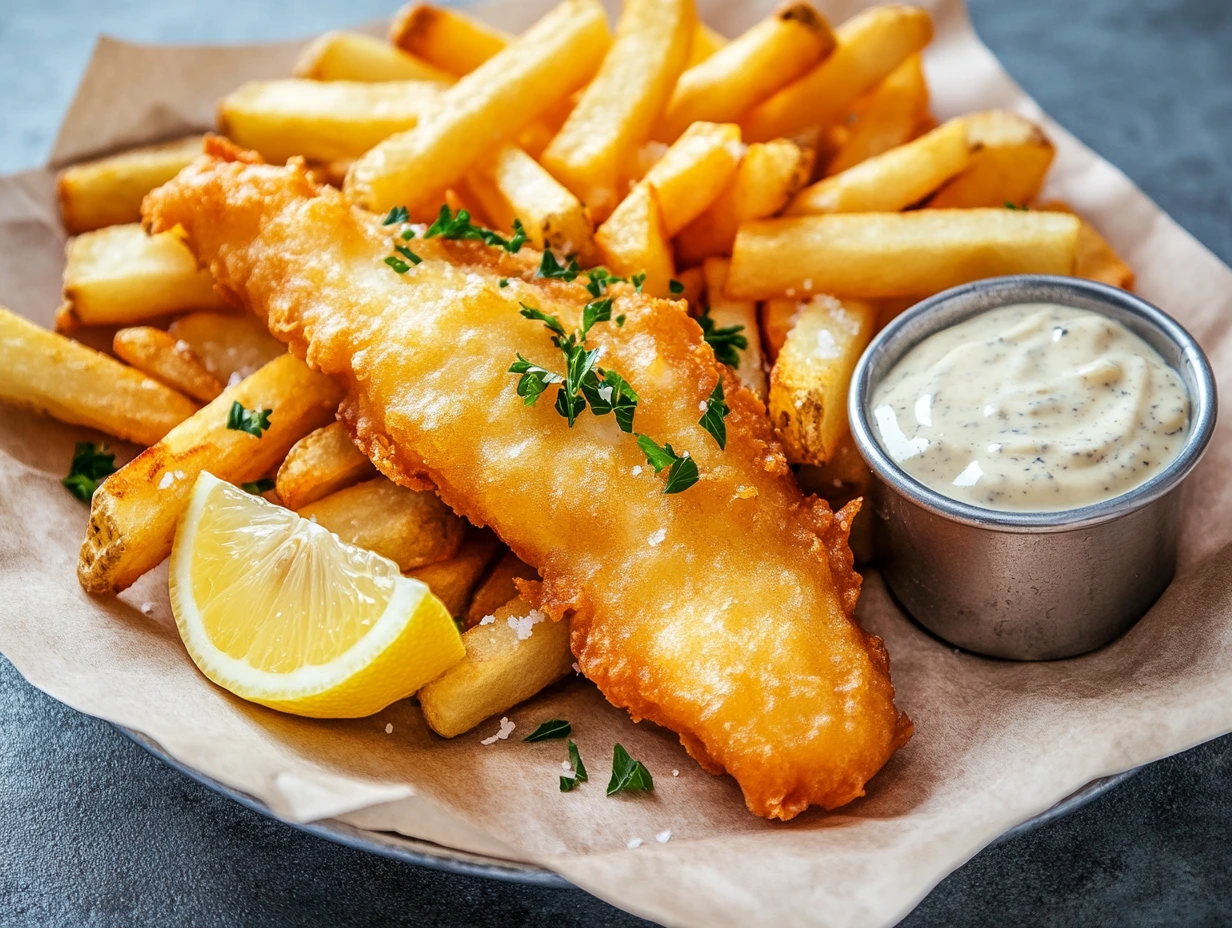
Fish and chips arrived with British migrants and became embedded in Australian coastal towns and suburbs. Local species such as flake, barramundi, snapper and whiting gave the takeaway form a distinct regional character. The dish depends on a brittle batter, moist fish and chips with a crisp exterior and fluffy centre. Tartare sauce cuts through the frying with pickles, capers, lemon and herbs. Wrapped takeaway eaten near the beach is one of the country’s enduring casual-food rituals. The dish also shows how an imported tradition changed through Australian seafood and climate.
Ingredients
- Main ingredients
- 350 g white fish fillets
- 500 g potatoescut into chips
- 120 g plain flour
- 150 ml beercold, or sparkling water
- 1 tsp baking powder
- 800 ml neutral oilfor frying
- 70 g mayonnaise
- 1 tbsp caperschopped
- 1 lemonwedges
Method
Prepare the ingredients
Cut potatoes into chips and soak briefly. Measure everything before you start so the recipe scales cleanly from the dynamic ingredient quantities. Keep seafood chilled until cooking or serving, and cut vegetables into even bite-sized pieces.
Look for: The outside should be golden and the centre should be cooked through without looking wet or raw. Tip: Keep the plating relaxed and generous, with a clean sauce or relish to balance richer elements. Avoid: Do not overcook seafood; it should stay juicy and just cooked through.Build the flavour
Make a light batter with flour and cold beer or water. Work steadily and check texture rather than relying only on the clock.
Look for: The mixture should look even, seasoned and ready for the next stage. Tip: Keep the plating relaxed and generous, with a clean sauce or relish to balance richer elements. Avoid: Do not overcook seafood; it should stay juicy and just cooked through.Cook with colour
Fry chips until golden. Heat oil to about 180°C / 355°F; if it is too cool the food turns greasy, and if too hot the outside browns before the centre cooks.
Look for: The coating or surface should be crisp, evenly golden and not oily. Tip: Keep the plating relaxed and generous, with a clean sauce or relish to balance richer elements. Avoid: Do not overcook seafood; it should stay juicy and just cooked through.Check the texture
Dip fish in batter. Work steadily and check texture rather than relying only on the clock.
Look for: The mixture should look even, seasoned and ready for the next stage. Tip: Keep the plating relaxed and generous, with a clean sauce or relish to balance richer elements. Avoid: Do not overcook seafood; it should stay juicy and just cooked through.Cook with colour
Fry until crisp and cooked through. Heat oil to about 180°C / 355°F; if it is too cool the food turns greasy, and if too hot the outside browns before the centre cooks.
Look for: The coating or surface should be crisp, evenly golden and not oily. Tip: Keep the plating relaxed and generous, with a clean sauce or relish to balance richer elements. Avoid: Do not overcook seafood; it should stay juicy and just cooked through.Finish and serve
Serve with tartare sauce and lemon. Taste at the end for salt, acidity and richness; traditional versions should feel generous but balanced.
Look for: The mixture should look even, seasoned and ready for the next stage. Tip: Keep the plating relaxed and generous, with a clean sauce or relish to balance richer elements. Avoid: Do not overcook seafood; it should stay juicy and just cooked through.
Nutrition
per serving
Estimated from the upgraded serves-2 metric ingredient list; verify with a nutrition calculator before making health claims.