The story
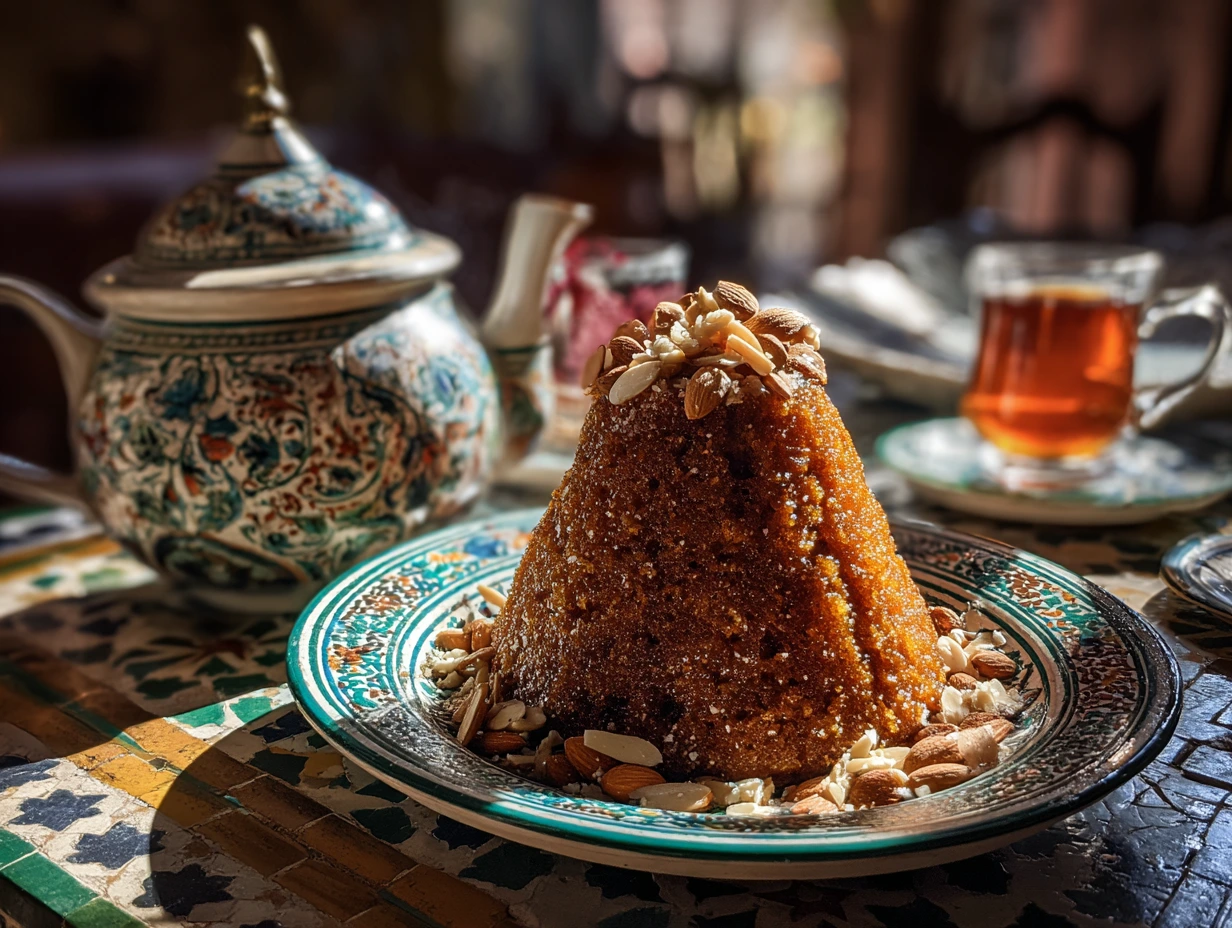
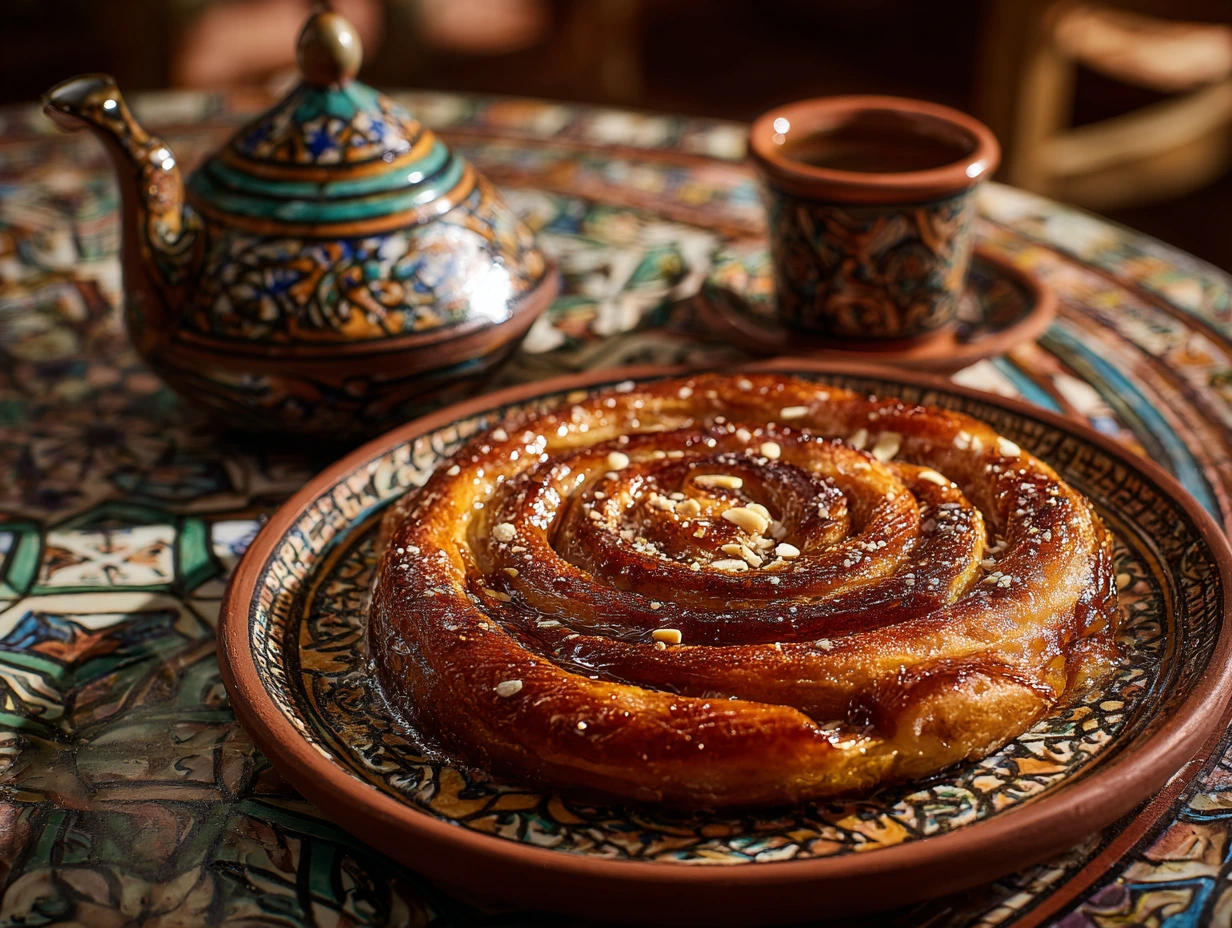
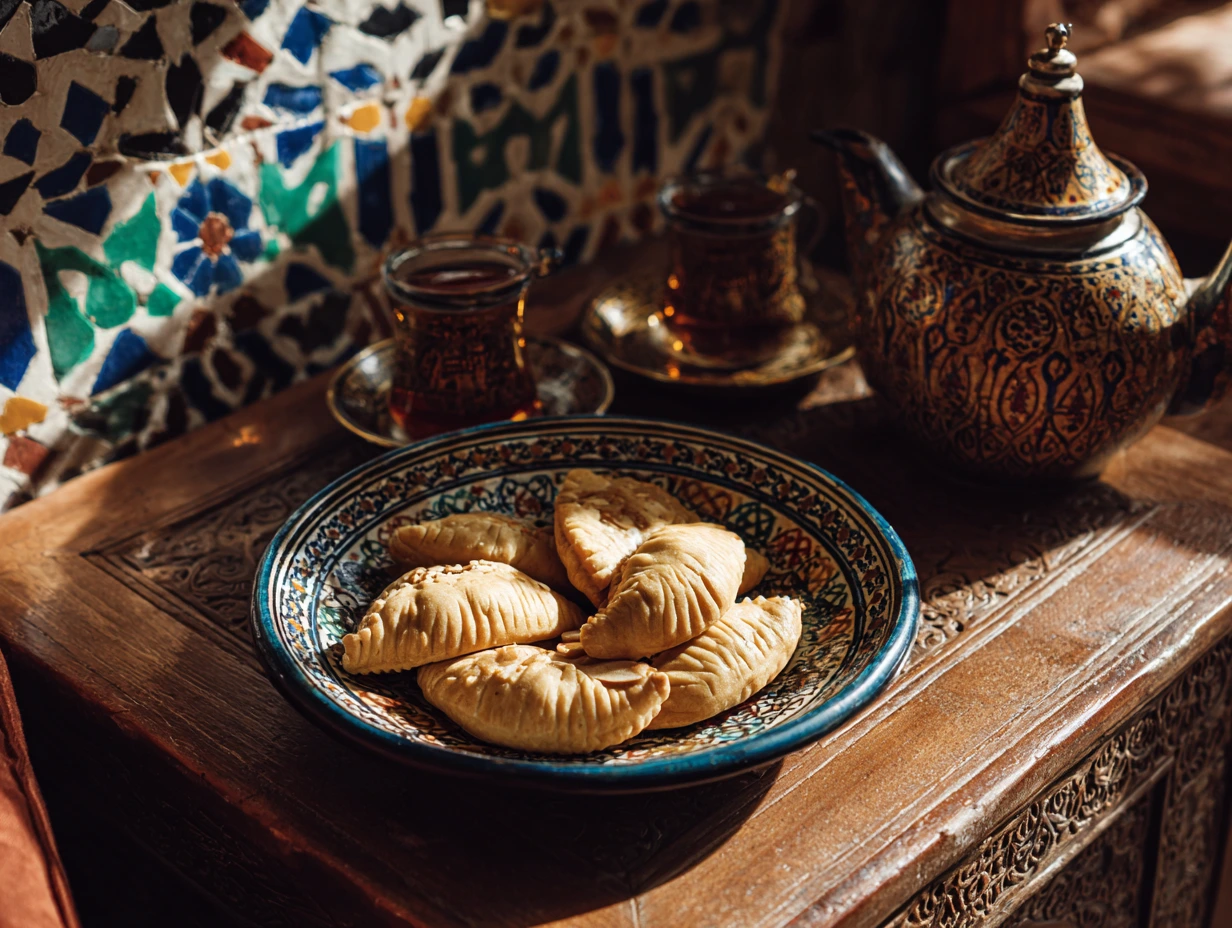
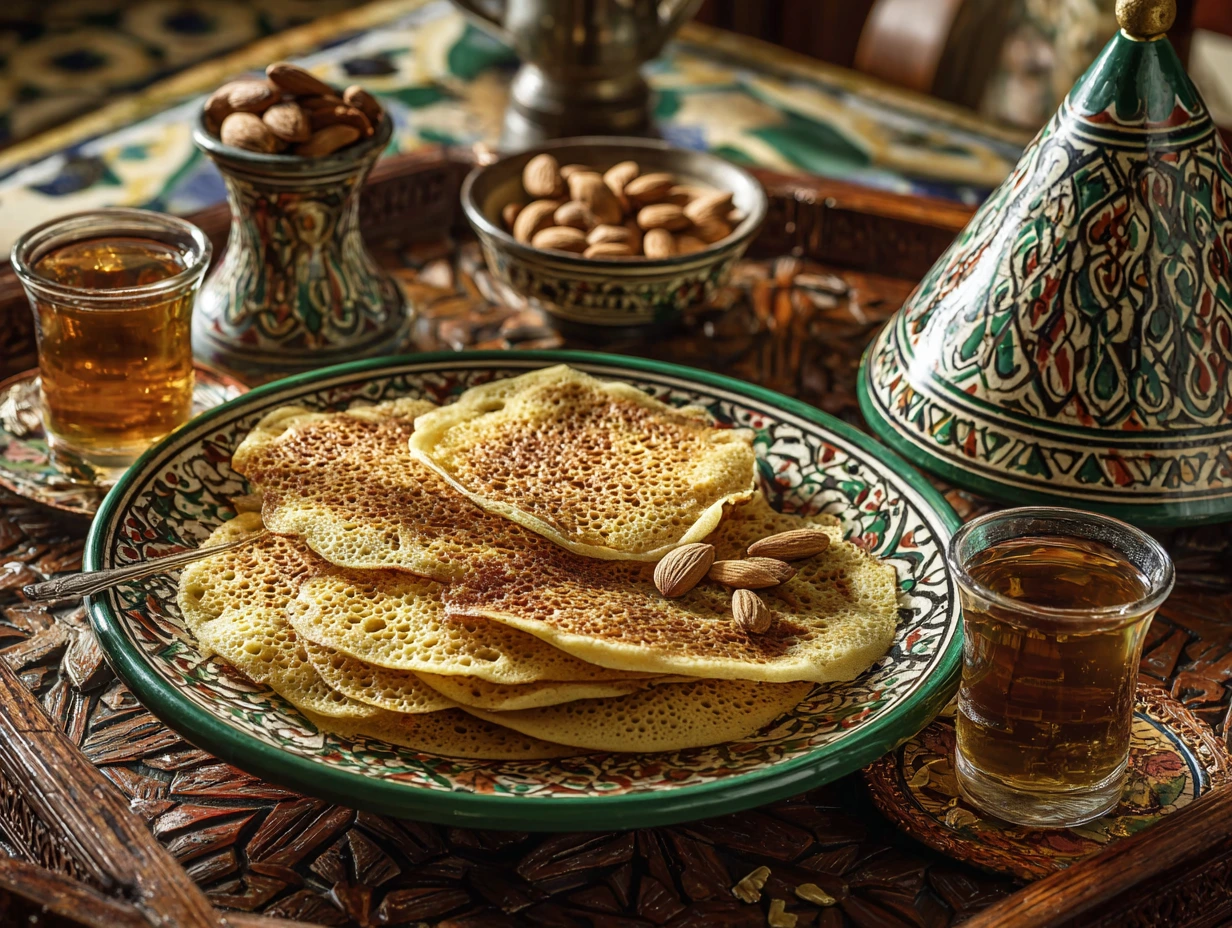
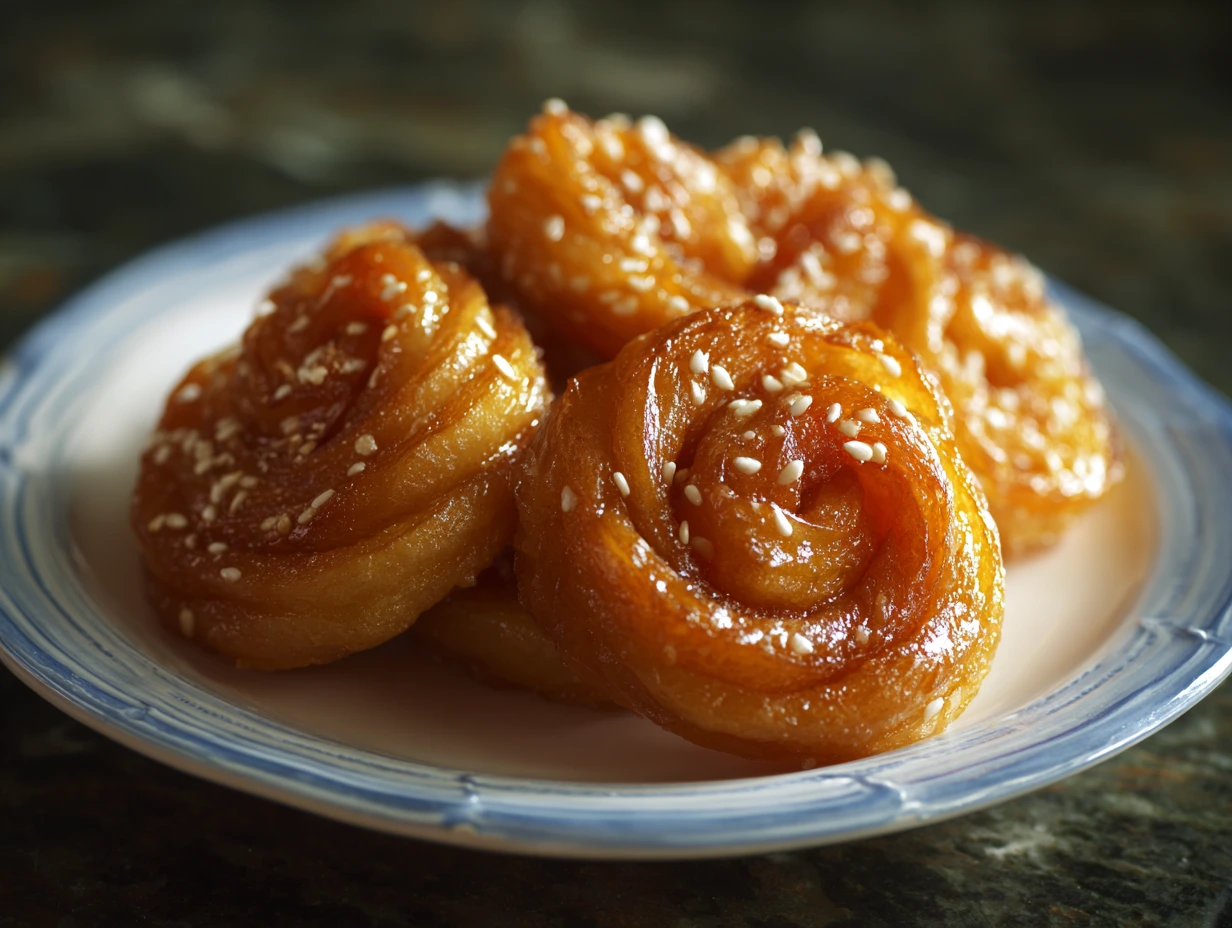
Associated with Ramadan tables, where it is commonly served with harira, Chebakia developed through practical cooking, local produce and the social occasion on which it was served. Its defining character comes from flower-shaped Moroccan sesame pastries fried until crisp, soaked in honey and sprinkled with sesame. Success depends on controlling seasoning, moisture and texture so the principal ingredient remains clear. The dish remains visible through Ramadan iftar tables and family gatherings. Those occasions have kept its techniques and expected accompaniments familiar across generations.
Ingredients
- Main
- 50.0 gram plain flour500g plain flour
- 12.0 gram toasted sesame seeds, ground120g toasted sesame seeds, ground
- 0.5 teaspoon anise seeds1 tsp anise seeds
- 0.5 teaspoon cinnamon1 tsp cinnamon
- turmeric1/2 tsp turmeric
- 0.7 gram baking powder7g baking powder
- 8.0 gram melted butter80g melted butter
- 6.0 millilitre olive oil60ml olive oil
- 8.0 millilitre orange blossom water80ml orange blossom water
- 0.1 piece Ingredient 1080091 egg
- 100.0 gram honey1kg honey
- oil for fryingoil for frying
- sesame seeds to finishsesame seeds to finish
Method
Mix the dry base
Mix flour, ground sesame, anise, cinnamon, turmeric and baking powder in a large bowl so the spices are evenly distributed.
Look for: The dessert should look traditional, properly shaped and finished, with crisp pastry, airy dough or glossy honey where appropriate. Tip: Work patiently; Moroccan desserts depend on texture, folding, fragrance and controlled frying or baking. Avoid: Avoid overheating honey, burning nuts or sesame, drying pastry, or frying at the wrong temperature.Make the dough
Add melted butter, olive oil, orange blossom water and egg. Knead for 8–10 minutes into a firm dough, adding a little water only if needed.
Look for: The dessert should look traditional, properly shaped and finished, with crisp pastry, airy dough or glossy honey where appropriate. Tip: Work patiently; Moroccan desserts depend on texture, folding, fragrance and controlled frying or baking. Avoid: Avoid overheating honey, burning nuts or sesame, drying pastry, or frying at the wrong temperature.Rest and roll
Rest dough for 20 minutes. Roll thinly and cut into rectangles. Make parallel slits and fold into traditional flower shapes.
Look for: The dessert should look traditional, properly shaped and finished, with crisp pastry, airy dough or glossy honey where appropriate. Tip: Work patiently; Moroccan desserts depend on texture, folding, fragrance and controlled frying or baking. Avoid: Avoid overheating honey, burning nuts or sesame, drying pastry, or frying at the wrong temperature.Fry
Heat oil to 170°C. Fry in small batches until deep golden, about 3–4 minutes per batch.
Look for: The dessert should look traditional, properly shaped and finished, with crisp pastry, airy dough or glossy honey where appropriate. Tip: Work patiently; Moroccan desserts depend on texture, folding, fragrance and controlled frying or baking. Avoid: Avoid overheating honey, burning nuts or sesame, drying pastry, or frying at the wrong temperature.Honey soak
Warm honey gently, dip hot pastries into honey for several minutes, then drain and sprinkle with sesame.
Look for: The dessert should look traditional, properly shaped and finished, with crisp pastry, airy dough or glossy honey where appropriate. Tip: Work patiently; Moroccan desserts depend on texture, folding, fragrance and controlled frying or baking. Avoid: Avoid overheating honey, burning nuts or sesame, drying pastry, or frying at the wrong temperature.
Nutrition
per serving
Estimated from the structured traditional Moroccan dessert ingredient list. Validate before making formal health claims.