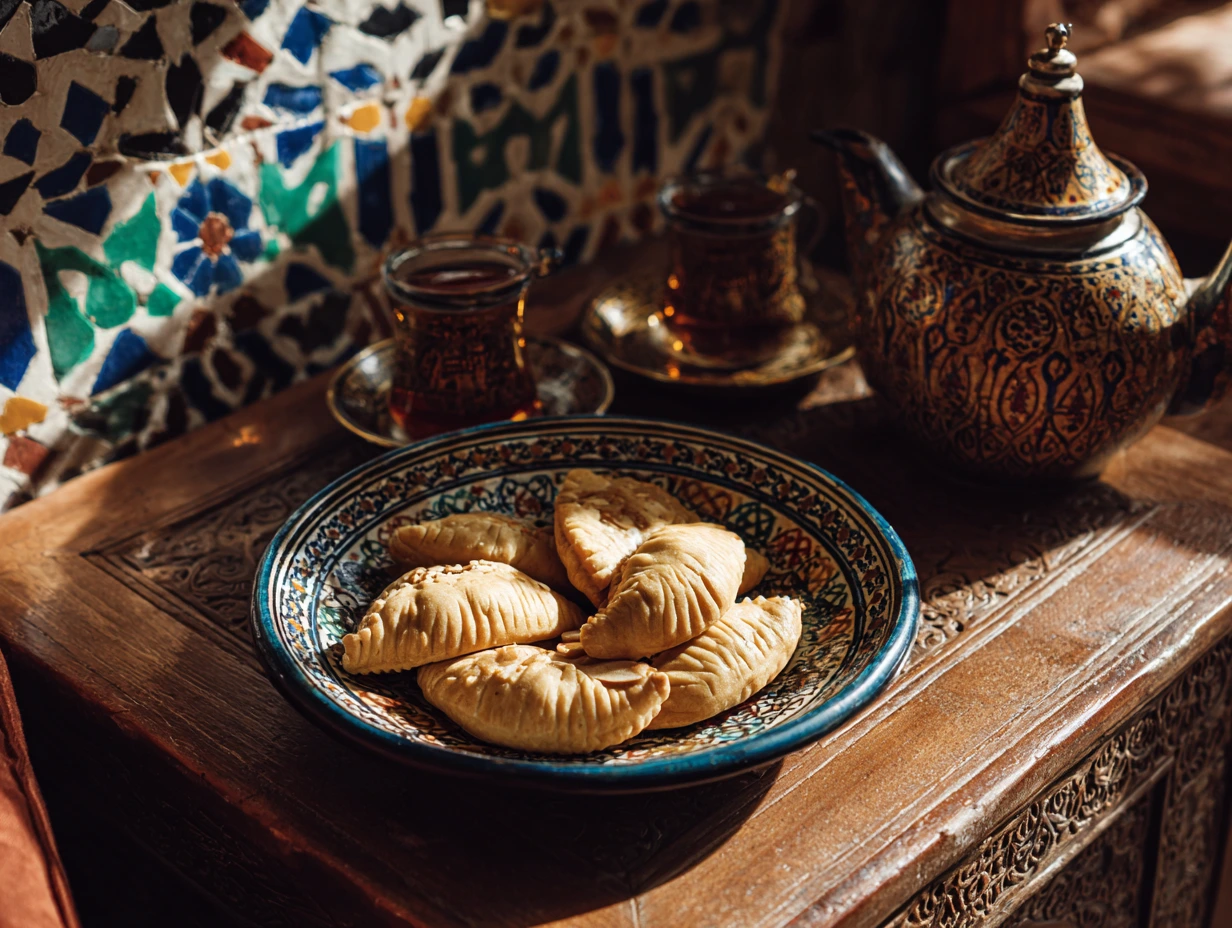
The story
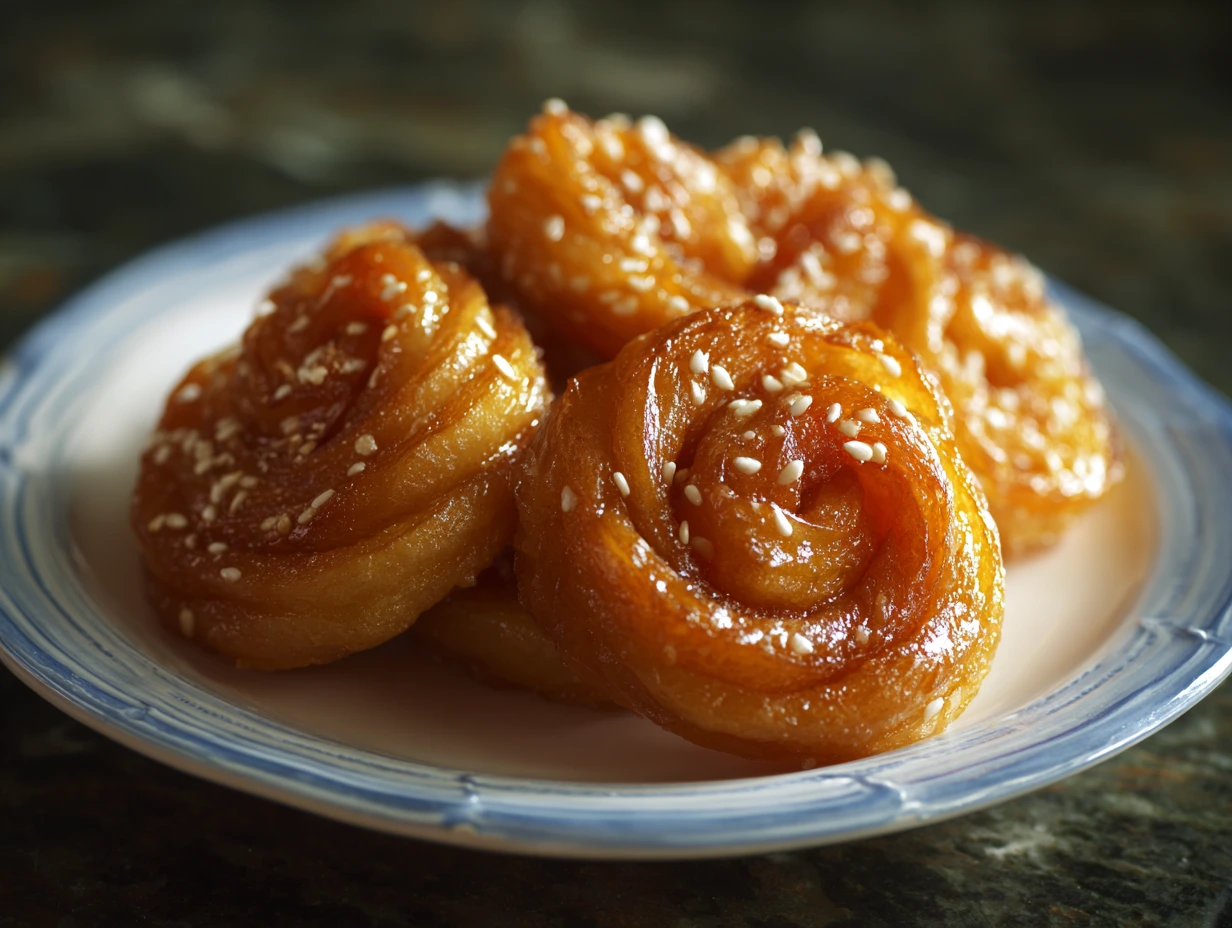
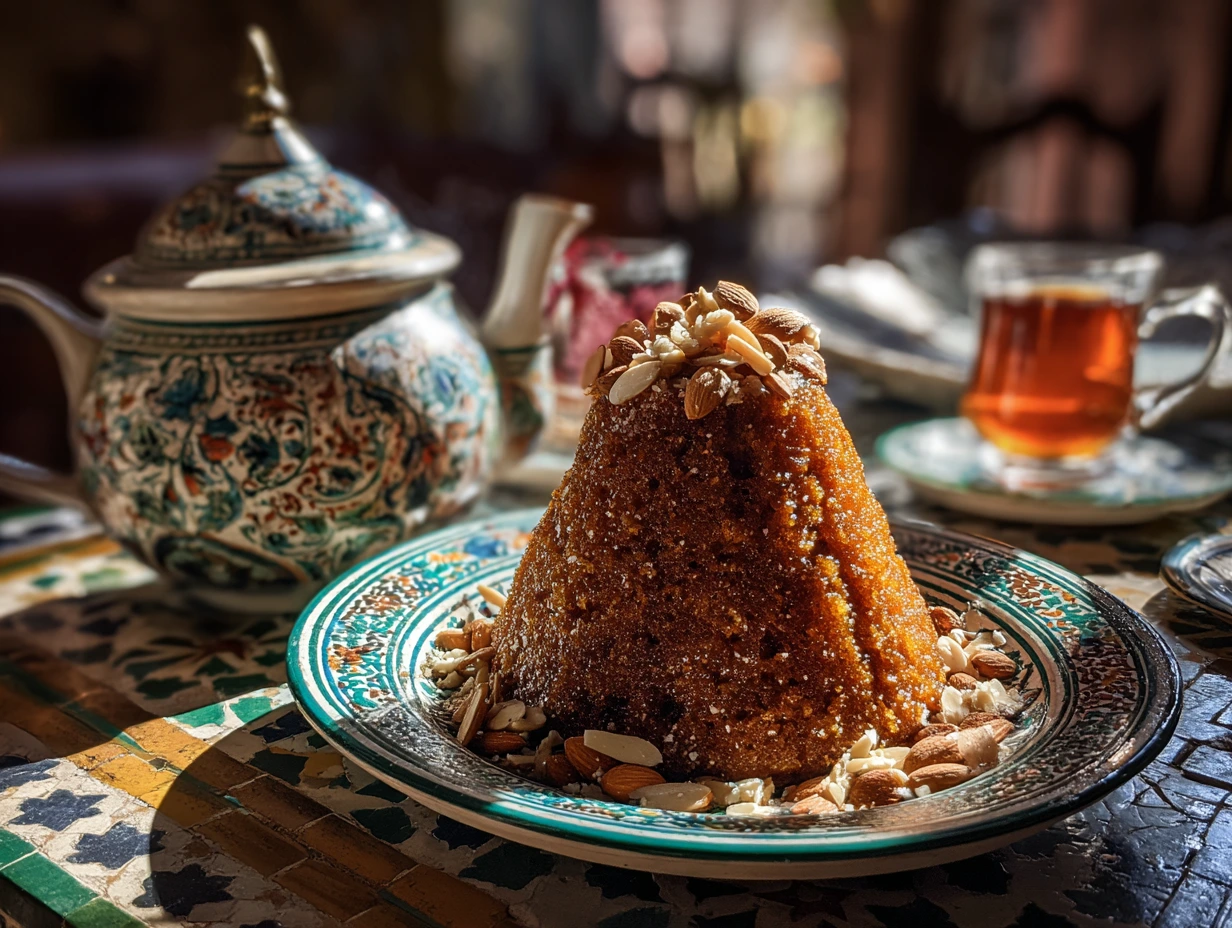
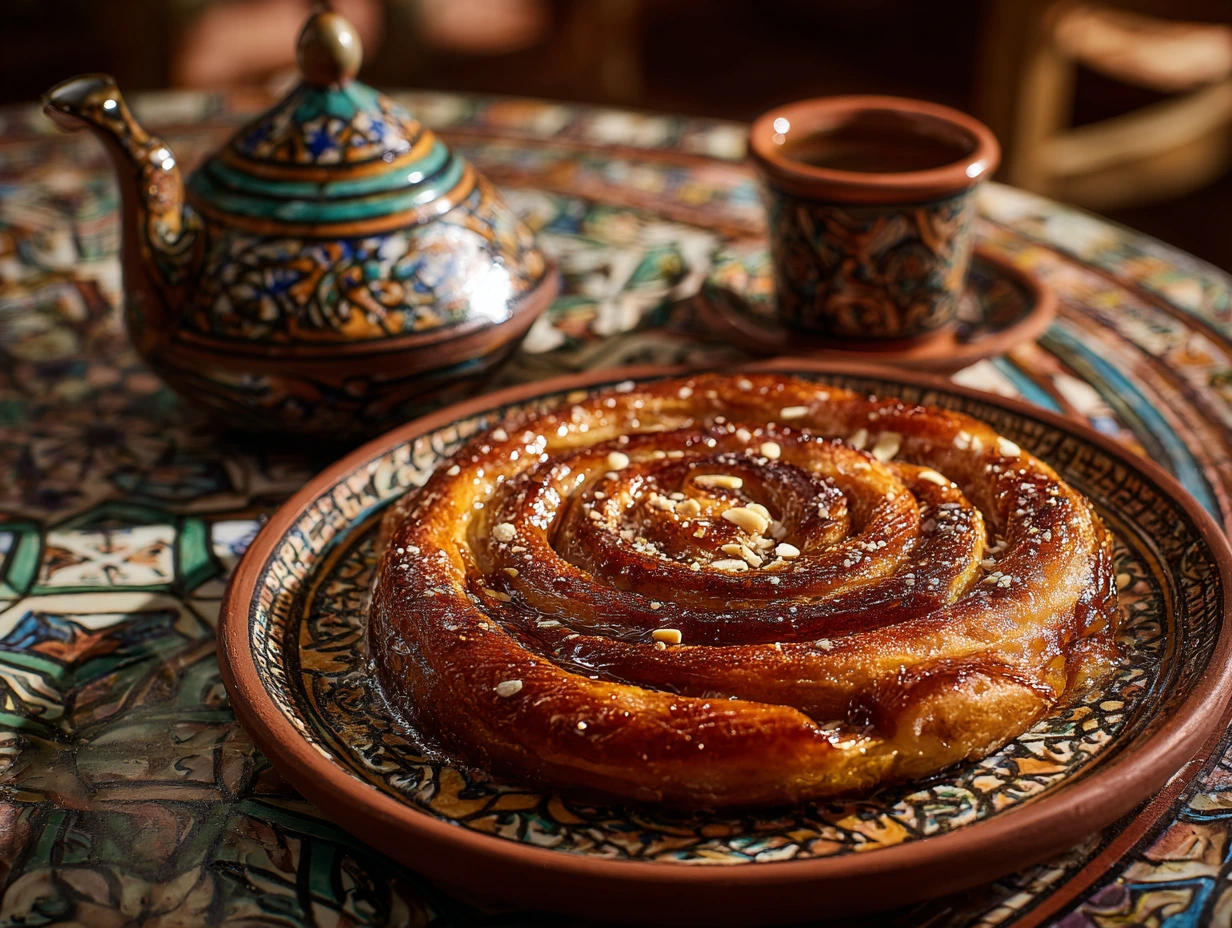
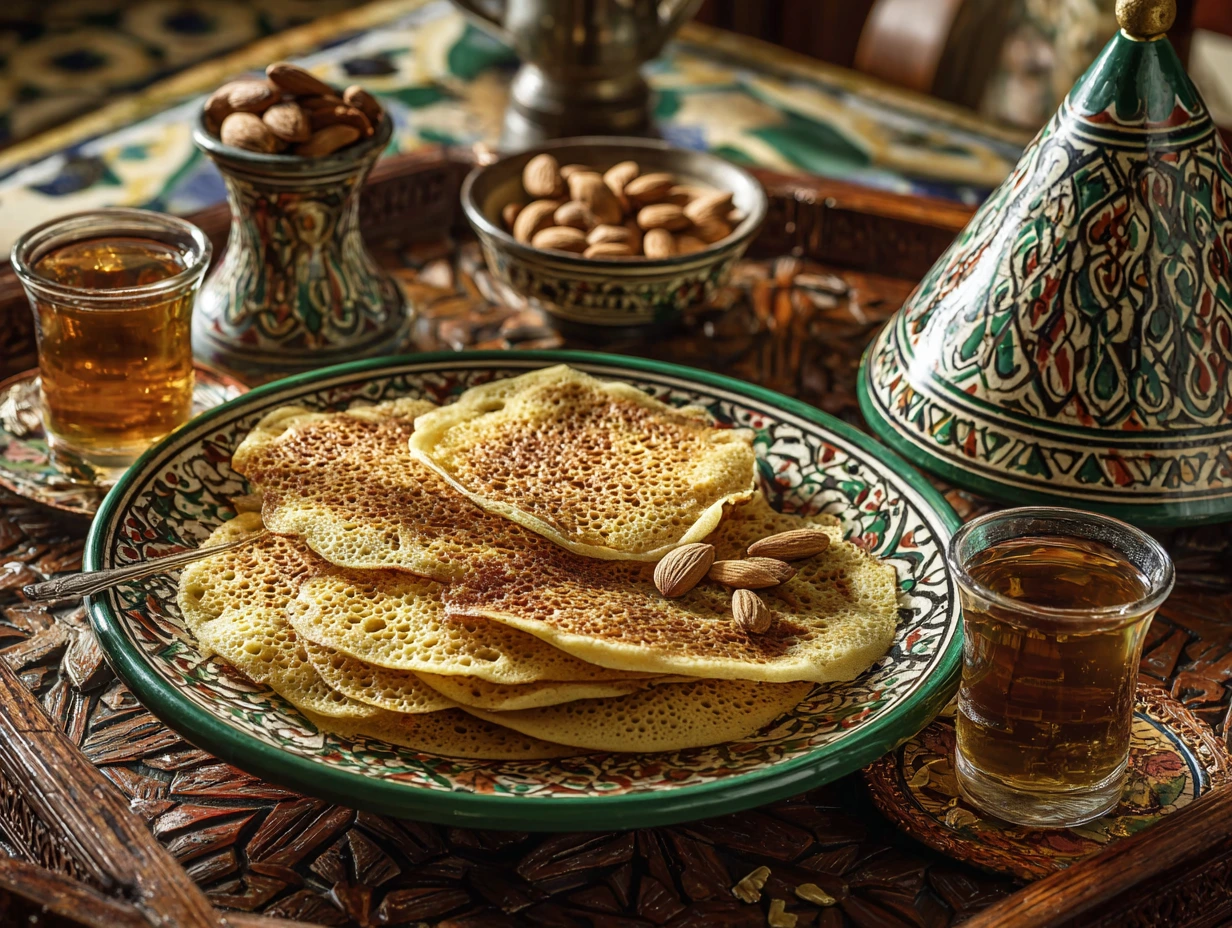
Kaab el Ghazal emerged from Fez and Morocco’s refined almond-pastry tradition. The recipe has endured because its method gives familiar ingredients a clear identity that survives from home cooking to modern restaurants. What makes the dish memorable is delicate crescent pastries filled with almond paste and orange blossom water. Careful preparation preserves the contrast between its rich, fresh, crisp, tender or aromatic elements. Its cultural place is strongest in family lunches, Friday couscous, Ramadan tables, weddings and ceremonial hospitality. Serving it in that setting connects the recipe to everyday hospitality, celebration and regional identity.
Ingredients
- Main
- 30.0 gram plain flour300g plain flour
- 4.0 gram butter40g butter
- 12.0 millilitre orange blossom water120ml orange blossom water
- 30.0 gram ground almonds300g ground almonds
- 10.0 gram icing sugar100g icing sugar
- 0.5 teaspoon cinnamon1 tsp cinnamon
- 3.0 gram butter for filling30g butter for filling
- pinch saltpinch salt
Method
Make dough
Make a smooth dough with flour, butter, salt and enough orange blossom water to bind. Knead 8 minutes and rest 30 minutes.
Look for: The dessert should look traditional, properly shaped and finished, with crisp pastry, airy dough or glossy honey where appropriate. Tip: Work patiently; Moroccan desserts depend on texture, folding, fragrance and controlled frying or baking. Avoid: Avoid overheating honey, burning nuts or sesame, drying pastry, or frying at the wrong temperature.Make filling
Mix ground almonds, icing sugar, cinnamon and butter into a smooth paste. Shape into small logs.
Look for: The dessert should look traditional, properly shaped and finished, with crisp pastry, airy dough or glossy honey where appropriate. Tip: Work patiently; Moroccan desserts depend on texture, folding, fragrance and controlled frying or baking. Avoid: Avoid overheating honey, burning nuts or sesame, drying pastry, or frying at the wrong temperature.Shape crescents
Roll dough very thinly. Wrap around almond logs and shape into crescents, trimming excess.
Look for: The dessert should look traditional, properly shaped and finished, with crisp pastry, airy dough or glossy honey where appropriate. Tip: Work patiently; Moroccan desserts depend on texture, folding, fragrance and controlled frying or baking. Avoid: Avoid overheating honey, burning nuts or sesame, drying pastry, or frying at the wrong temperature.Prick lightly
Prick lightly with a needle so steam can escape and the pastry does not burst.
Look for: The dessert should look traditional, properly shaped and finished, with crisp pastry, airy dough or glossy honey where appropriate. Tip: Work patiently; Moroccan desserts depend on texture, folding, fragrance and controlled frying or baking. Avoid: Avoid overheating honey, burning nuts or sesame, drying pastry, or frying at the wrong temperature.Bake pale
Bake at 170°C for 15–18 minutes. They should stay pale, not brown.
Look for: The dessert should look traditional, properly shaped and finished, with crisp pastry, airy dough or glossy honey where appropriate. Tip: Work patiently; Moroccan desserts depend on texture, folding, fragrance and controlled frying or baking. Avoid: Avoid overheating honey, burning nuts or sesame, drying pastry, or frying at the wrong temperature.
Nutrition
per serving
Estimated from the structured traditional Moroccan dessert ingredient list. Validate before making formal health claims.