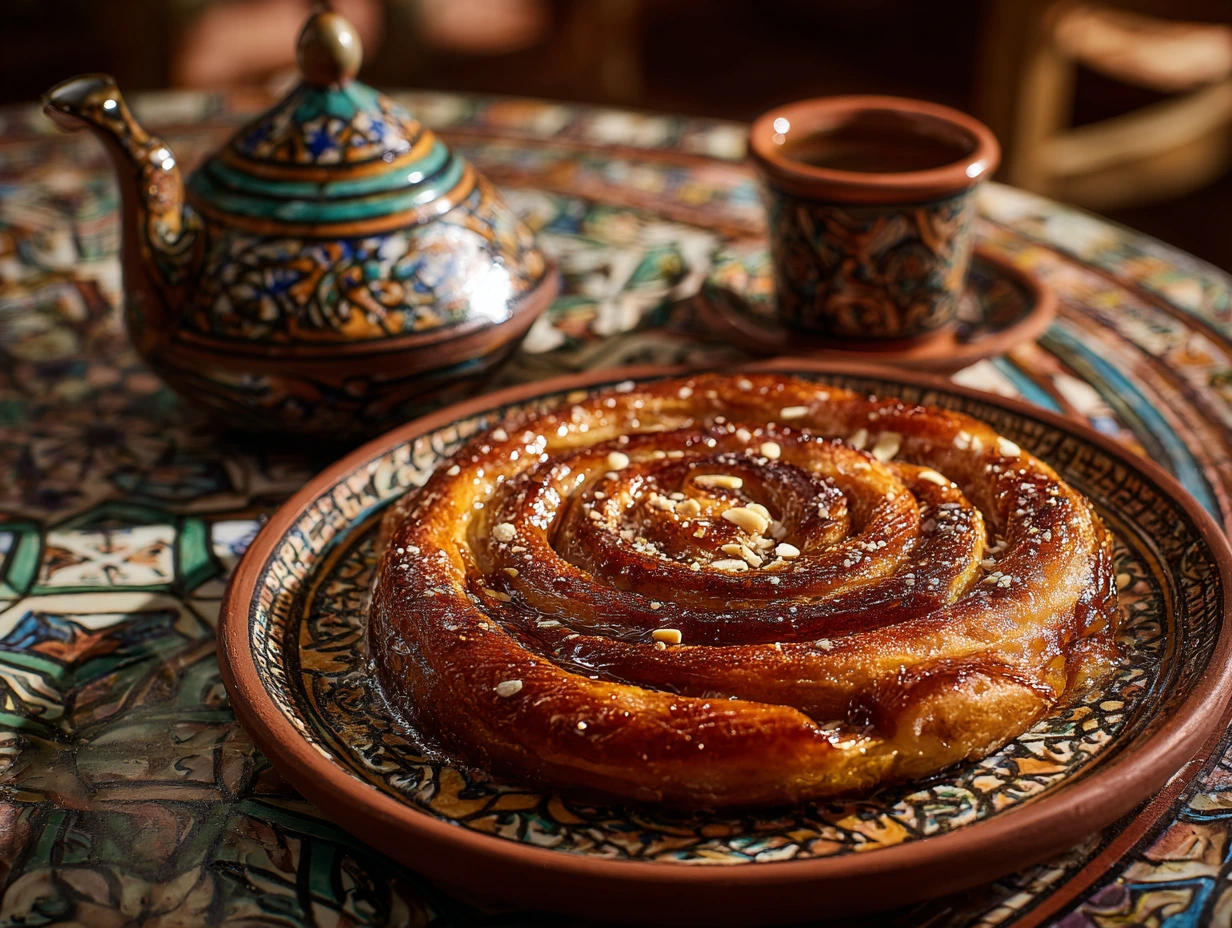
The story
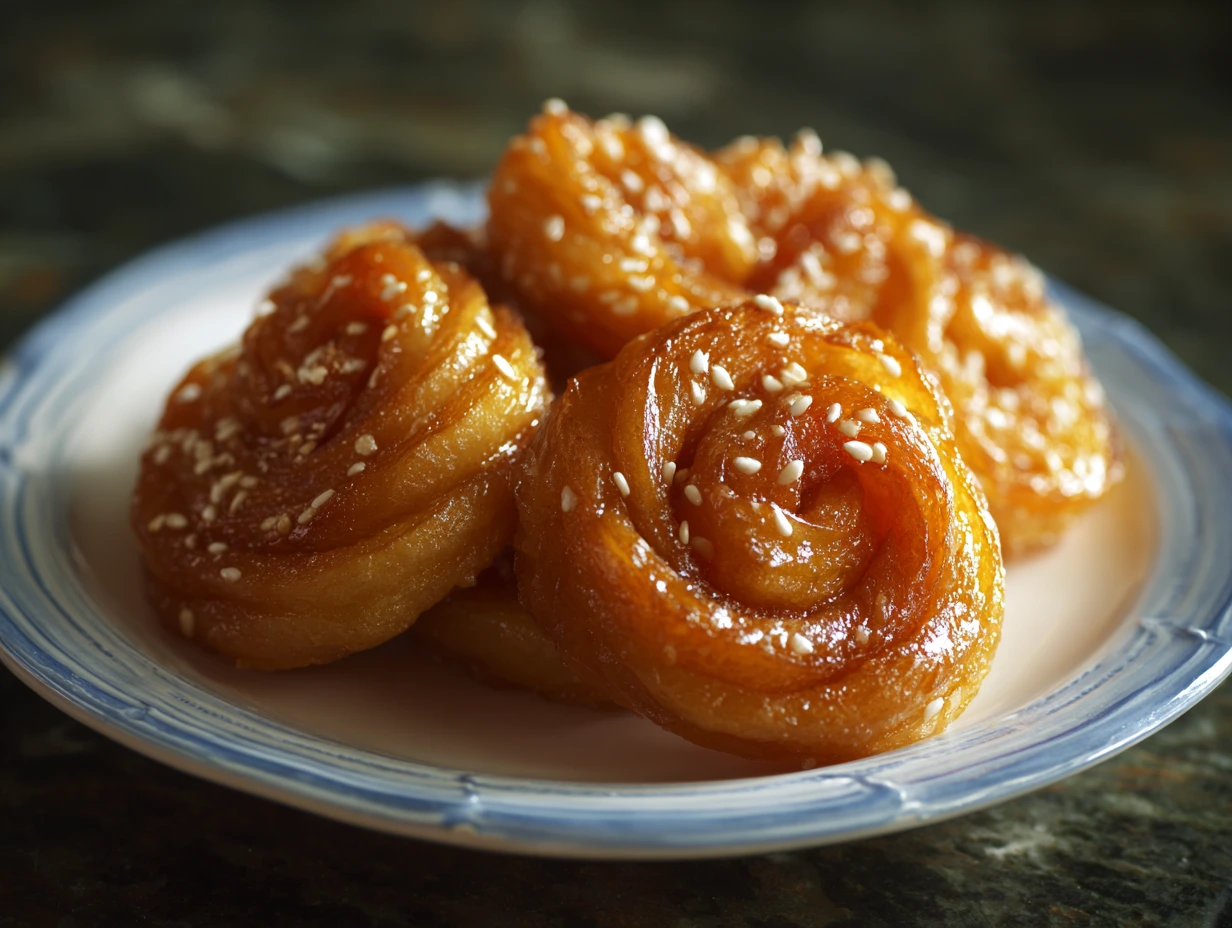
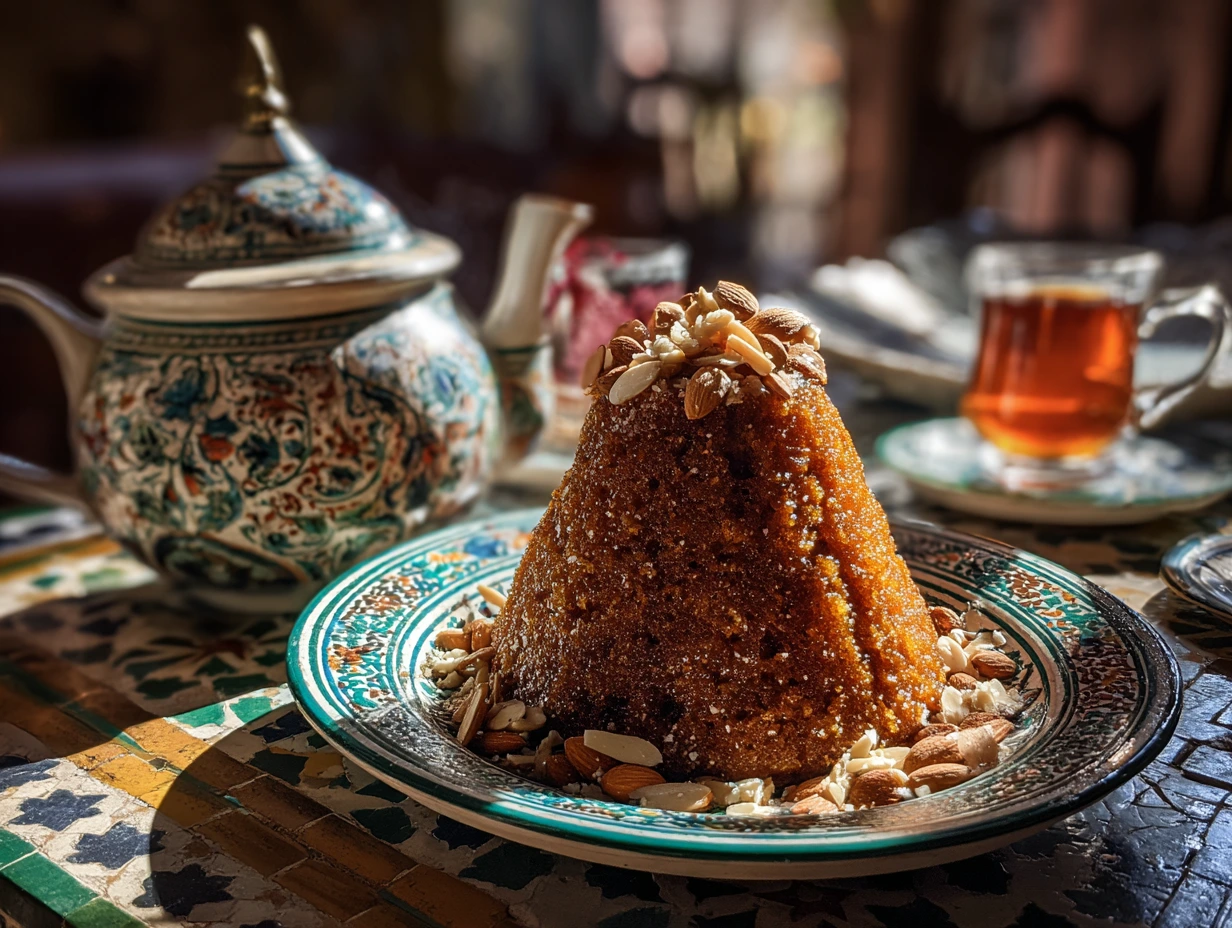
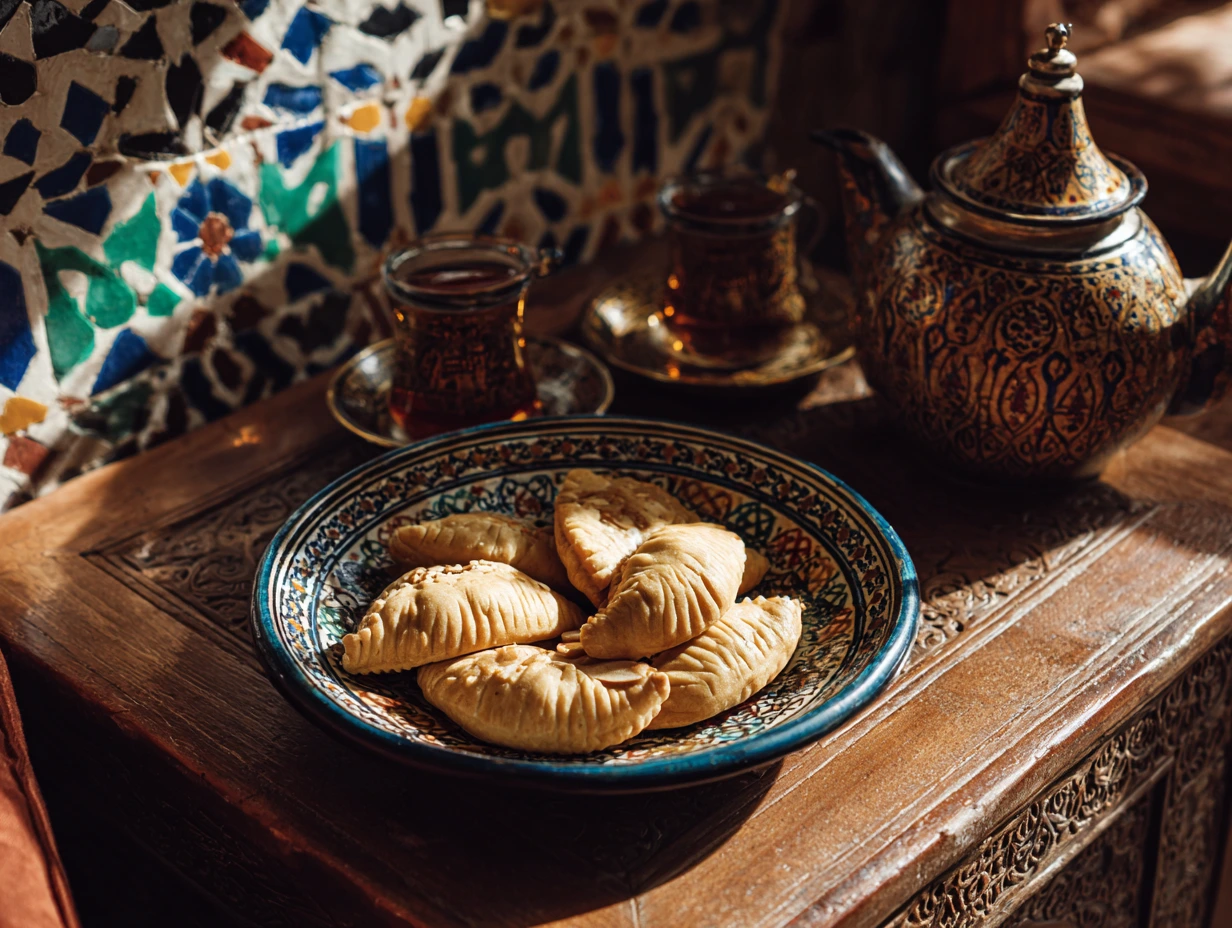
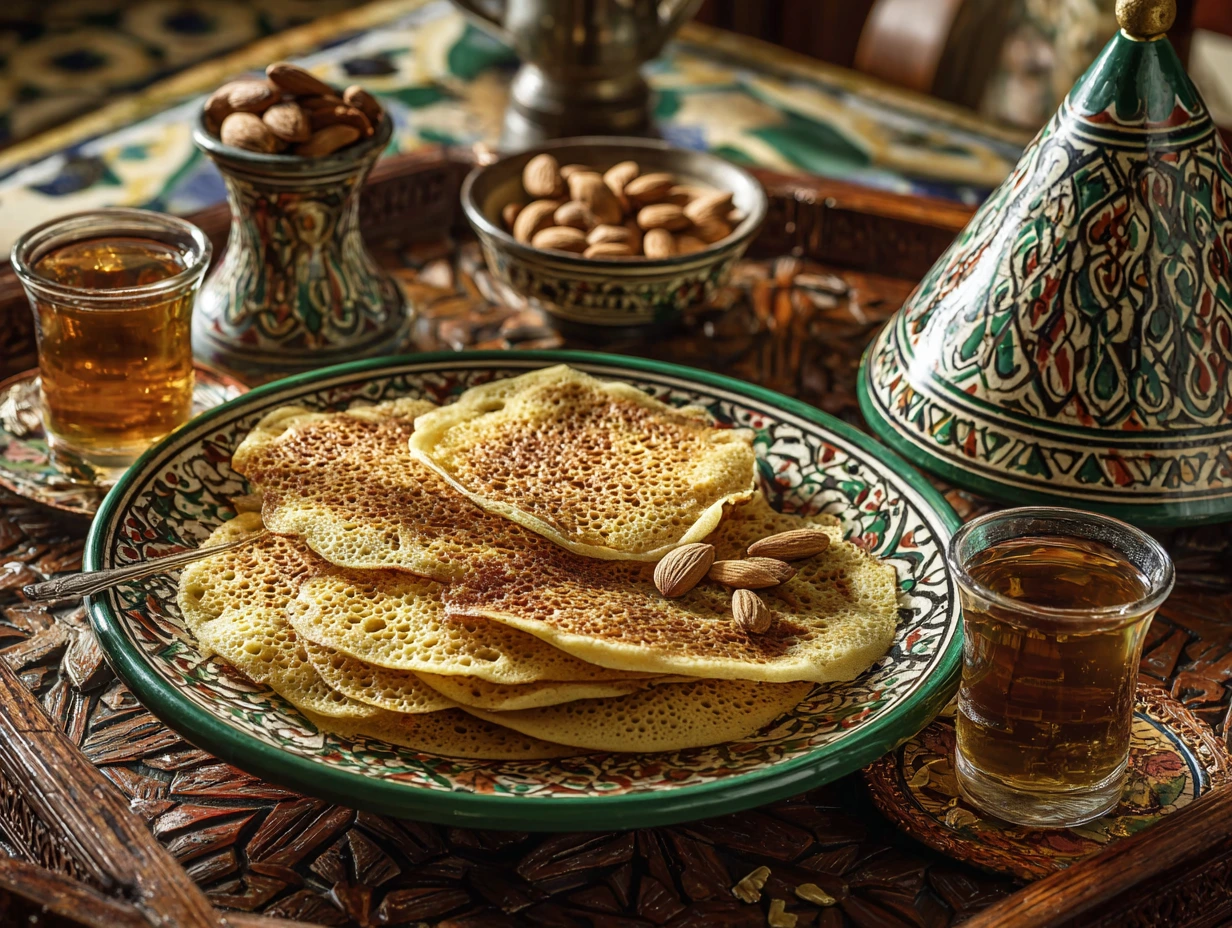
The history of M'hanncha belongs to Moroccan almond-pastry craft and festive tea tables. Rather than being a generic national dish, it carries the methods and flavours of that particular food culture. The appeal rests on coiled Moroccan almond pastry scented with cinnamon and orange blossom water. It becomes exceptional when the cook respects the sequence of the method and builds flavour without obscuring the ingredients. Within Moroccan cooking, the dish appears at family lunches, Friday couscous, Ramadan tables, weddings and ceremonial hospitality. It is valued not only for flavour but for the way it brings people together around a recognisable local meal.
Ingredients
- Main
- 37.5 gram ground almonds300g ground almonds
- 12.5 gram icing sugar100g icing sugar
- 0.62 teaspoon cinnamon1 tsp cinnamon
- 3.75 gram butter, softened30g butter, softened
- 3.75 millilitre orange blossom water30ml orange blossom water
- 1.0 piece filo or warqa8 sheets filo or warqa
- 10.0 gram melted butter80g melted butter
- 7.5 gram honey60g honey
- icing sugar to finishicing sugar to finish
Method
Make almond paste
Mix ground almonds, icing sugar, cinnamon, softened butter and orange blossom water into a firm paste.
Look for: The dessert should look traditional, properly shaped and finished, with crisp pastry, airy dough or glossy honey where appropriate. Tip: Work patiently; Moroccan desserts depend on texture, folding, fragrance and controlled frying or baking. Avoid: Avoid overheating honey, burning nuts or sesame, drying pastry, or frying at the wrong temperature.Shape ropes
Roll almond paste into long ropes. Keep pastry covered with a damp towel so it does not dry.
Look for: The dessert should look traditional, properly shaped and finished, with crisp pastry, airy dough or glossy honey where appropriate. Tip: Work patiently; Moroccan desserts depend on texture, folding, fragrance and controlled frying or baking. Avoid: Avoid overheating honey, burning nuts or sesame, drying pastry, or frying at the wrong temperature.Roll pastry
Brush filo with melted butter, place almond rope along one edge and roll tightly.
Look for: The dessert should look traditional, properly shaped and finished, with crisp pastry, airy dough or glossy honey where appropriate. Tip: Work patiently; Moroccan desserts depend on texture, folding, fragrance and controlled frying or baking. Avoid: Avoid overheating honey, burning nuts or sesame, drying pastry, or frying at the wrong temperature.Coil
Coil the roll into a spiral on a lined tray, joining extra rolls as needed.
Look for: The dessert should look traditional, properly shaped and finished, with crisp pastry, airy dough or glossy honey where appropriate. Tip: Work patiently; Moroccan desserts depend on texture, folding, fragrance and controlled frying or baking. Avoid: Avoid overheating honey, burning nuts or sesame, drying pastry, or frying at the wrong temperature.Bake and glaze
Bake at 180°C for 30–35 minutes until golden. Brush with warm honey and dust lightly with icing sugar.
Look for: The dessert should look traditional, properly shaped and finished, with crisp pastry, airy dough or glossy honey where appropriate. Tip: Work patiently; Moroccan desserts depend on texture, folding, fragrance and controlled frying or baking. Avoid: Avoid overheating honey, burning nuts or sesame, drying pastry, or frying at the wrong temperature.
Nutrition
per serving
Estimated from the structured traditional Moroccan dessert ingredient list. Validate before making formal health claims.