The story
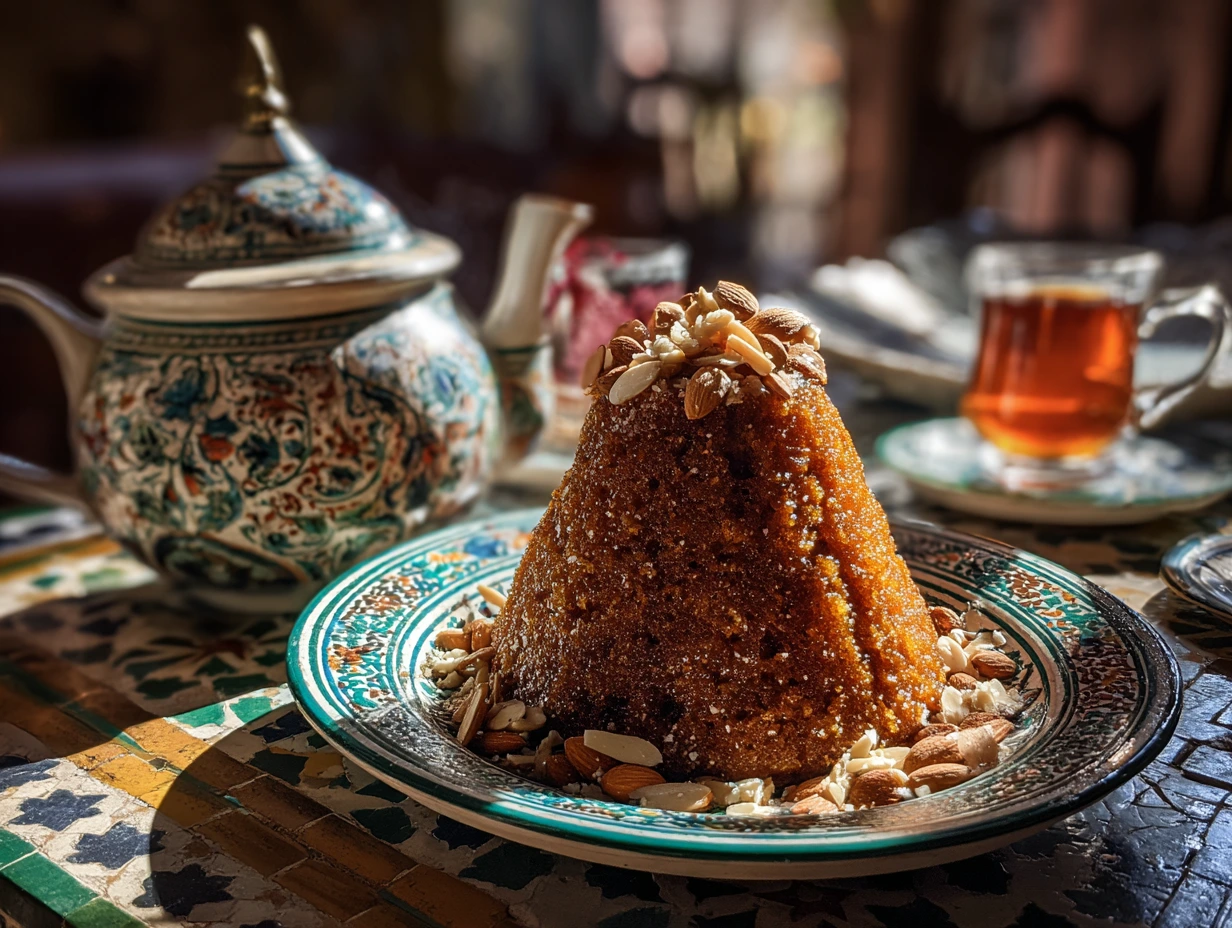
Sellou is rooted in Ramadan, weddings and postpartum nourishment. Its present form reflects the ingredients, trade routes and household techniques that made the dish useful and memorable in that setting. It is recognised for toasted flour, almonds, sesame, honey, cinnamon and anise mixed into a rich Moroccan celebration sweet. The best versions keep those elements distinct and balanced, so the dish tastes deliberate rather than heavy or muddled. Today it is closely associated with family lunches, Friday couscous, Ramadan tables, weddings and ceremonial hospitality. That context explains how it is portioned, what accompanies it and why it remains part of Moroccan food culture.
Ingredients
- Main
- 41.67 gram plain flour500g plain flour
- 20.83 gram almonds250g almonds
- 20.83 gram sesame seeds250g sesame seeds
- 12.5 gram honey150g honey
- 12.5 gram melted butter150g melted butter
- 8.33 millilitre olive oil100ml olive oil
- 0.83 teaspoon cinnamon2 tsp cinnamon
- 0.42 teaspoon anise seeds1 tsp anise seeds
- pinch saltpinch salt
- icing sugar to serveicing sugar to serve
Method
Toast the flour
Toast flour in a dry pan or oven at 160°C, stirring often, until beige and nutty. This takes about 20 minutes; do not let it burn.
Look for: The dessert should look traditional, properly shaped and finished, with crisp pastry, airy dough or glossy honey where appropriate. Tip: Work patiently; Moroccan desserts depend on texture, folding, fragrance and controlled frying or baking. Avoid: Avoid overheating honey, burning nuts or sesame, drying pastry, or frying at the wrong temperature.Toast nuts and seeds
Toast sesame seeds and almonds separately until fragrant. Grind most of them, keeping some almonds for texture.
Look for: The dessert should look traditional, properly shaped and finished, with crisp pastry, airy dough or glossy honey where appropriate. Tip: Work patiently; Moroccan desserts depend on texture, folding, fragrance and controlled frying or baking. Avoid: Avoid overheating honey, burning nuts or sesame, drying pastry, or frying at the wrong temperature.Combine dry mix
Mix toasted flour, ground sesame, almonds, cinnamon, anise and salt in a large bowl.
Look for: The dessert should look traditional, properly shaped and finished, with crisp pastry, airy dough or glossy honey where appropriate. Tip: Work patiently; Moroccan desserts depend on texture, folding, fragrance and controlled frying or baking. Avoid: Avoid overheating honey, burning nuts or sesame, drying pastry, or frying at the wrong temperature.Add honey and fat
Warm honey, butter and olive oil, then mix gradually into the dry ingredients until the mixture can be pressed together.
Look for: The dessert should look traditional, properly shaped and finished, with crisp pastry, airy dough or glossy honey where appropriate. Tip: Work patiently; Moroccan desserts depend on texture, folding, fragrance and controlled frying or baking. Avoid: Avoid overheating honey, burning nuts or sesame, drying pastry, or frying at the wrong temperature.Shape and serve
Press into a mound or small portions and dust with icing sugar. Serve in small amounts with tea.
Look for: The dessert should look traditional, properly shaped and finished, with crisp pastry, airy dough or glossy honey where appropriate. Tip: Work patiently; Moroccan desserts depend on texture, folding, fragrance and controlled frying or baking. Avoid: Avoid overheating honey, burning nuts or sesame, drying pastry, or frying at the wrong temperature.
Nutrition
per serving
Estimated from the structured traditional Moroccan dessert ingredient list. Validate before making formal health claims.