The story
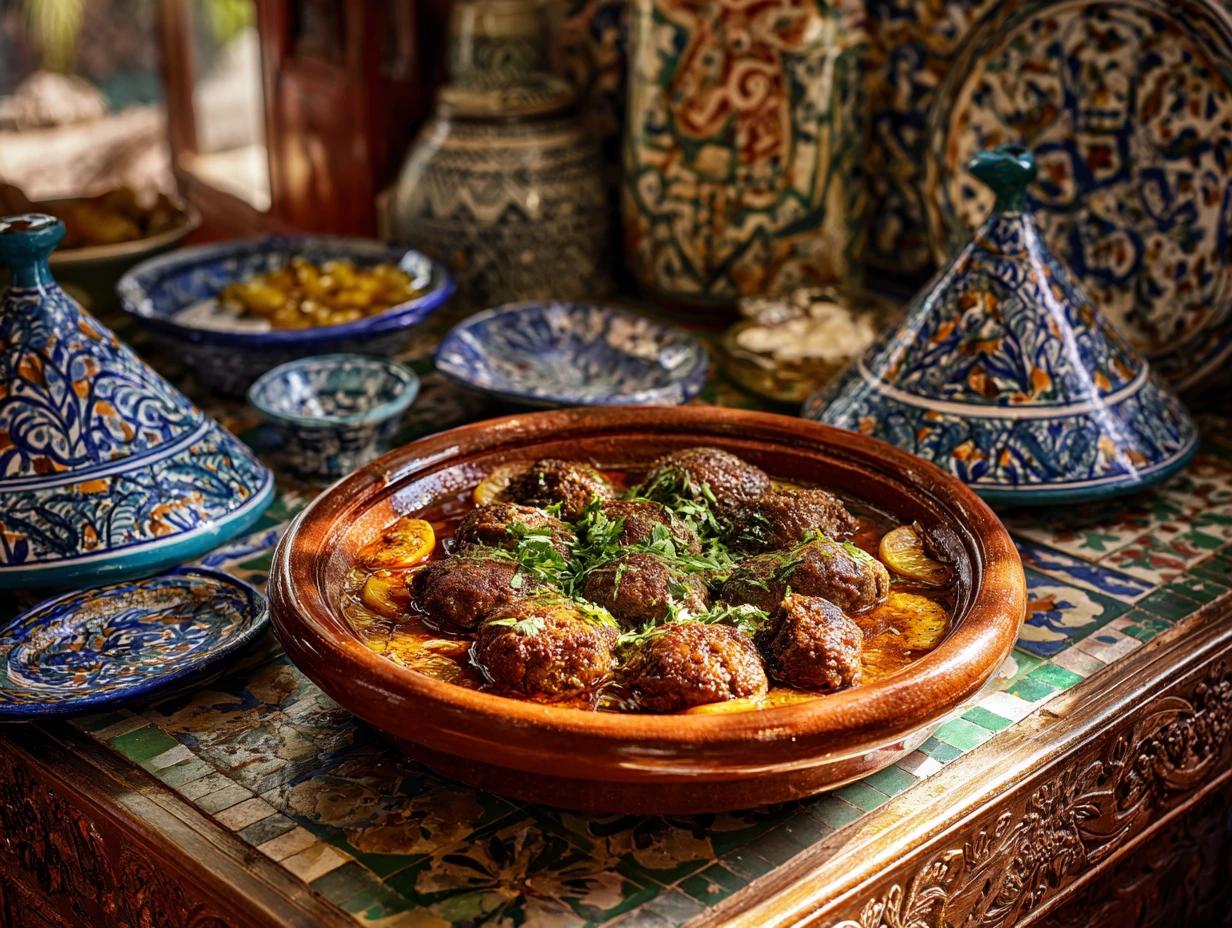
The history of Berber Vegetable Tagine belongs to Amazigh household cooking in Morocco’s mountain and rural regions. Rather than being a generic national dish, it carries the methods and flavours of that particular food culture. The appeal rests on layered vegetable tagine with potatoes, carrots, courgettes, tomatoes, chickpeas, cumin, turmeric and olive oil. It becomes exceptional when the cook respects the sequence of the method and builds flavour without obscuring the ingredients. Within Moroccan cooking, the dish appears at family lunches, Friday couscous, Ramadan tables, weddings and ceremonial hospitality. It is valued not only for flavour but for the way it brings people together around a recognisable local meal.
Ingredients
- Main
- 100.0 gram potatoes, wedges400g potatoes, wedges
- 75.0 gram carrots, batons300g carrots, batons
- 0.5 piece courgettes, thick batons2 courgettes, thick batons
- 0.5 piece tomatoes, sliced2 tomatoes, sliced
- 0.25 piece onion, sliced1 onion, sliced
- 50.0 gram cooked chickpeas200g cooked chickpeas
- 0.75 piece arlic cloves3 garlic cloves
- 1.25 teaspoon cumin1 tsp cumin
- 1.25 teaspoon turmeric1 tsp turmeric
- 1.25 teaspoon paprika1 tsp paprika
- 15.0 millilitre olive oil60ml olive oil
- 5.0 gram coriander20g coriander
- salt and peppersalt and pepper
Method
Cut vegetables
Slice onion and tomatoes. Cut potatoes, carrots and courgettes into chunky batons so they hold shape.
Look for: The dish should look traditional, properly cooked and balanced, with sauce reduced rather than watery. Tip: Use a tagine, heavy casserole, couscoussier, griddle or wide pan where noted, and adjust salt, lemon, spice and texture at the end. Avoid: Avoid rushing the heat; Moroccan cooking depends on patient reduction, gentle braising, careful steaming and final tasting.Make spice oil
Mix olive oil, garlic, cumin, turmeric, paprika, salt, pepper and chopped coriander.
Look for: The dish should look traditional, properly cooked and balanced, with sauce reduced rather than watery. Tip: Use a tagine, heavy casserole, couscoussier, griddle or wide pan where noted, and adjust salt, lemon, spice and texture at the end. Avoid: Avoid rushing the heat; Moroccan cooking depends on patient reduction, gentle braising, careful steaming and final tasting.Layer tagine
Layer onion in the tagine base, then arrange vegetables in a cone shape with tomatoes near the top. Add chickpeas.
Look for: The dish should look traditional, properly cooked and balanced, with sauce reduced rather than watery. Tip: Use a tagine, heavy casserole, couscoussier, griddle or wide pan where noted, and adjust salt, lemon, spice and texture at the end. Avoid: Avoid rushing the heat; Moroccan cooking depends on patient reduction, gentle braising, careful steaming and final tasting.Cook
Pour over spiced oil and 150ml water. Cover and cook over low heat for 60–70 minutes.
Look for: The dish should look traditional, properly cooked and balanced, with sauce reduced rather than watery. Tip: Use a tagine, heavy casserole, couscoussier, griddle or wide pan where noted, and adjust salt, lemon, spice and texture at the end. Avoid: Avoid rushing the heat; Moroccan cooking depends on patient reduction, gentle braising, careful steaming and final tasting.Serve
Do not stir. The tagine is ready when potatoes and carrots are tender and the sauce is reduced.
Look for: The dish should look traditional, properly cooked and balanced, with sauce reduced rather than watery. Tip: Use a tagine, heavy casserole, couscoussier, griddle or wide pan where noted, and adjust salt, lemon, spice and texture at the end. Avoid: Avoid rushing the heat; Moroccan cooking depends on patient reduction, gentle braising, careful steaming and final tasting.
Nutrition
per serving
Estimated from the structured traditional Moroccan ingredient list. Validate before making formal health claims.