The story
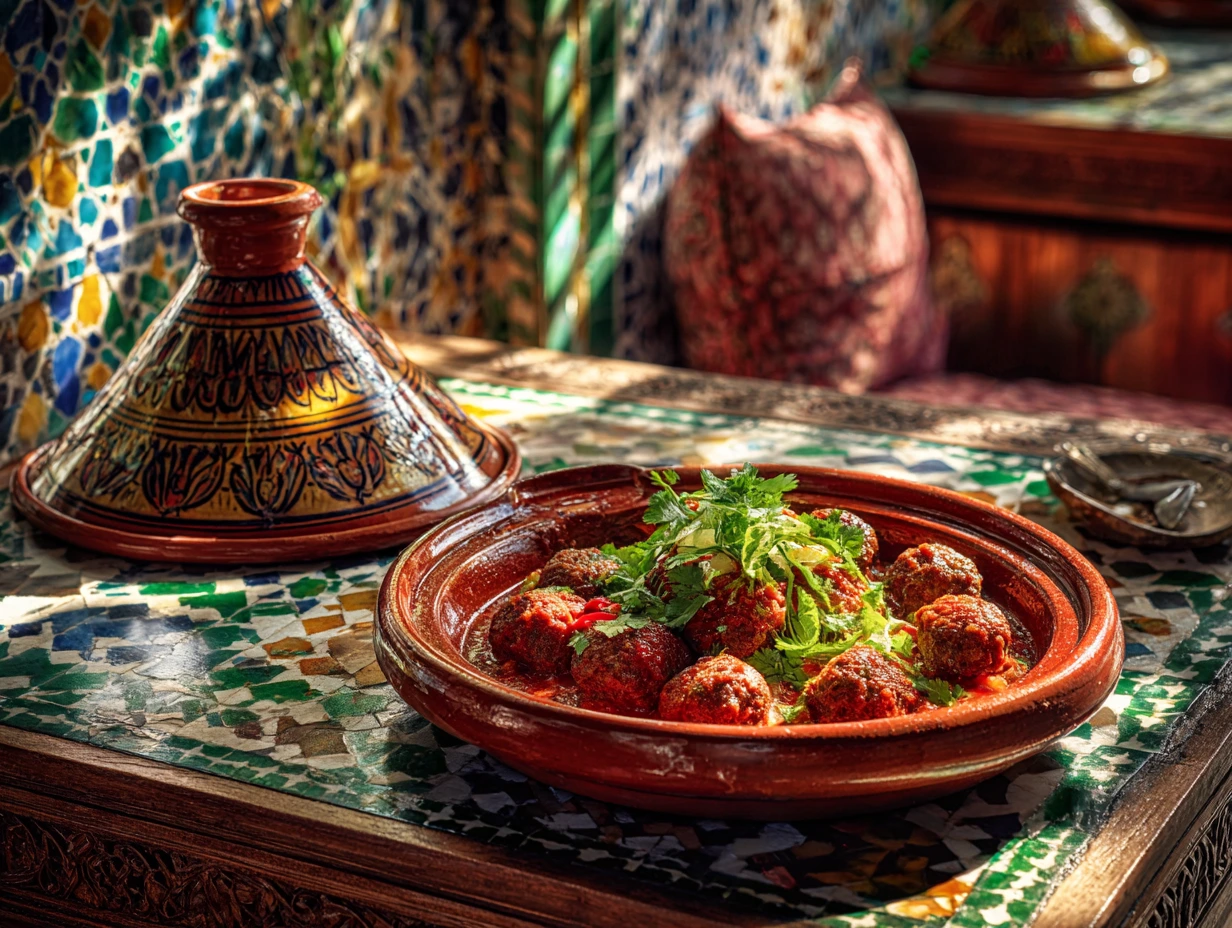
Sardine Kefta Tagine is rooted in Morocco’s Atlantic sardine fisheries. Its present form reflects the ingredients, trade routes and household techniques that made the dish useful and memorable in that setting. It is recognised for fresh sardine meatballs simmered in chermoula tomato sauce with peppers and olives. The best versions keep those elements distinct and balanced, so the dish tastes deliberate rather than heavy or muddled. Today it is closely associated with family lunches, Friday couscous, Ramadan tables, weddings and ceremonial hospitality. That context explains how it is portioned, what accompanies it and why it remains part of Moroccan food culture.
Ingredients
- Main
- 200.0 gram sardine fillets, skinned and minced800g sardine fillets, skinned and minced
- 125.0 gram tomatoes, grated500g tomatoes, grated
- 0.25 piece pepper, sliced1 pepper, sliced
- 0.75 piece arlic cloves3 garlic cloves
- 7.5 gram coriander30g coriander
- 5.0 gram parsley20g parsley
- 1.25 teaspoon cumin1 tsp cumin
- 1.25 teaspoon paprika1 tsp paprika
- /2 tsp chilli1/2 tsp chilli
- 11.25 millilitre olive oil45ml olive oil
- 15.0 gram olives60g olives
- salt and peppersalt and pepper
Method
Prepare sardines
Check sardines for bones, then chop finely with a knife or pulse briefly. Do not puree.
Look for: The dish should look traditional, properly cooked and balanced, with sauce reduced rather than watery. Tip: Use a tagine, heavy casserole, couscoussier, griddle or wide pan where noted, and adjust salt, lemon, spice and texture at the end. Avoid: Avoid rushing the heat; Moroccan cooking depends on patient reduction, gentle braising, careful steaming and final tasting.Season kefta
Mix sardine mince with garlic, coriander, parsley, cumin, paprika, chilli, salt and pepper. Shape small balls.
Look for: The dish should look traditional, properly cooked and balanced, with sauce reduced rather than watery. Tip: Use a tagine, heavy casserole, couscoussier, griddle or wide pan where noted, and adjust salt, lemon, spice and texture at the end. Avoid: Avoid rushing the heat; Moroccan cooking depends on patient reduction, gentle braising, careful steaming and final tasting.Cook sauce
Cook grated tomatoes with olive oil, pepper slices and a pinch of salt in a tagine for 15 minutes.
Look for: The dish should look traditional, properly cooked and balanced, with sauce reduced rather than watery. Tip: Use a tagine, heavy casserole, couscoussier, griddle or wide pan where noted, and adjust salt, lemon, spice and texture at the end. Avoid: Avoid rushing the heat; Moroccan cooking depends on patient reduction, gentle braising, careful steaming and final tasting.Simmer fish balls
Add sardine balls carefully. Cover and simmer 12–15 minutes until firm and cooked through.
Look for: The dish should look traditional, properly cooked and balanced, with sauce reduced rather than watery. Tip: Use a tagine, heavy casserole, couscoussier, griddle or wide pan where noted, and adjust salt, lemon, spice and texture at the end. Avoid: Avoid rushing the heat; Moroccan cooking depends on patient reduction, gentle braising, careful steaming and final tasting.Finish
Add olives and cook 5 minutes more. Serve gently so the fish balls stay intact.
Look for: The dish should look traditional, properly cooked and balanced, with sauce reduced rather than watery. Tip: Use a tagine, heavy casserole, couscoussier, griddle or wide pan where noted, and adjust salt, lemon, spice and texture at the end. Avoid: Avoid rushing the heat; Moroccan cooking depends on patient reduction, gentle braising, careful steaming and final tasting.
Nutrition
per serving
Estimated from the structured traditional Moroccan ingredient list. Validate before making formal health claims.