The story
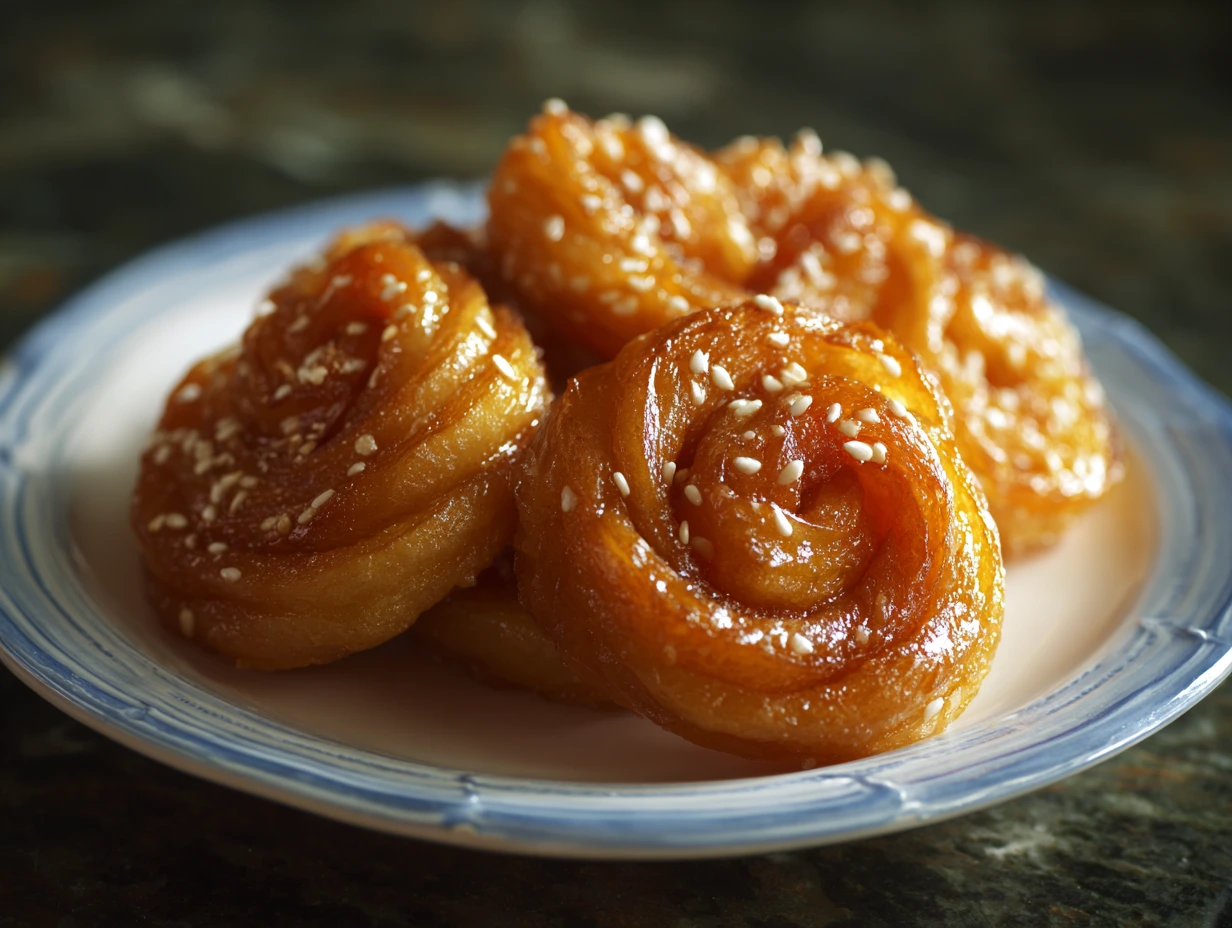
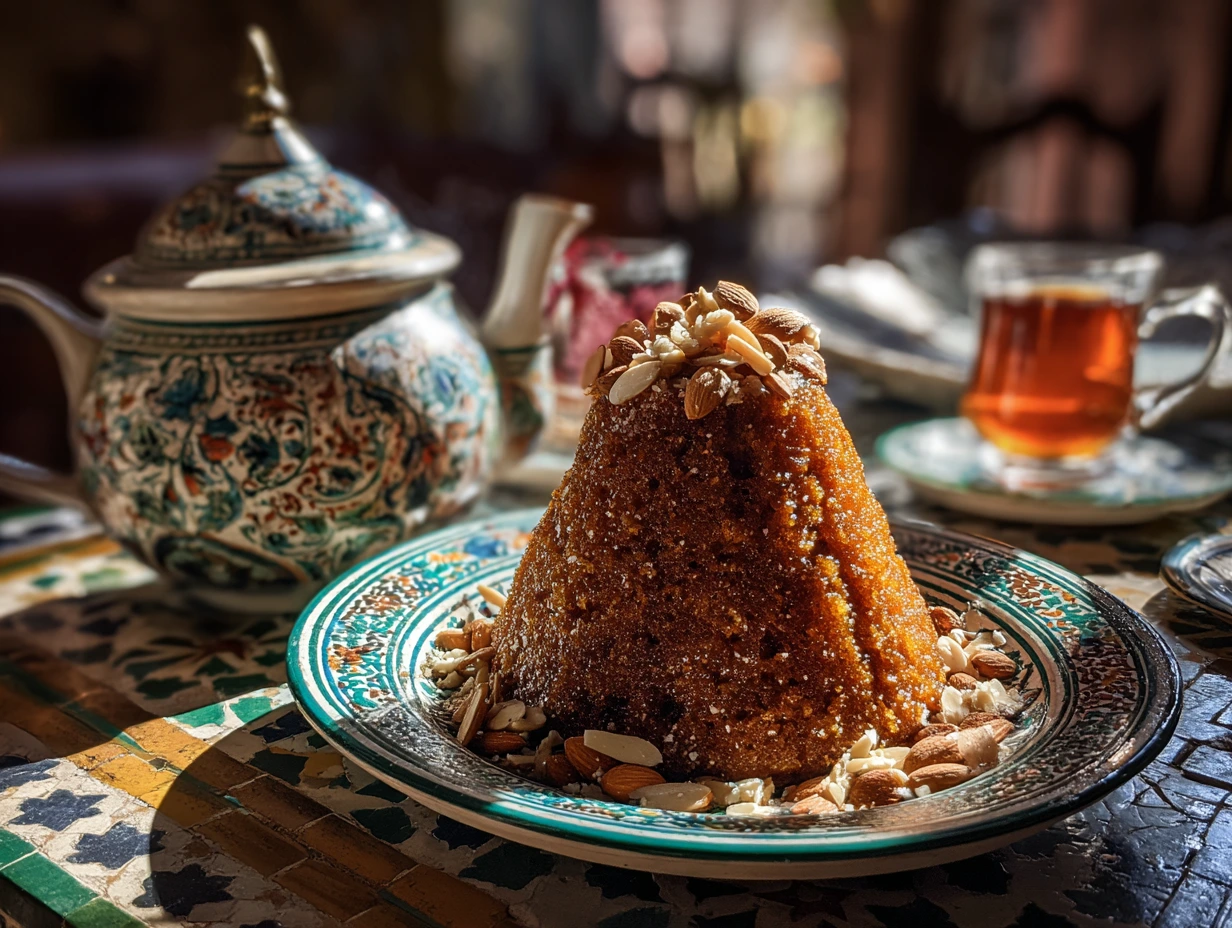
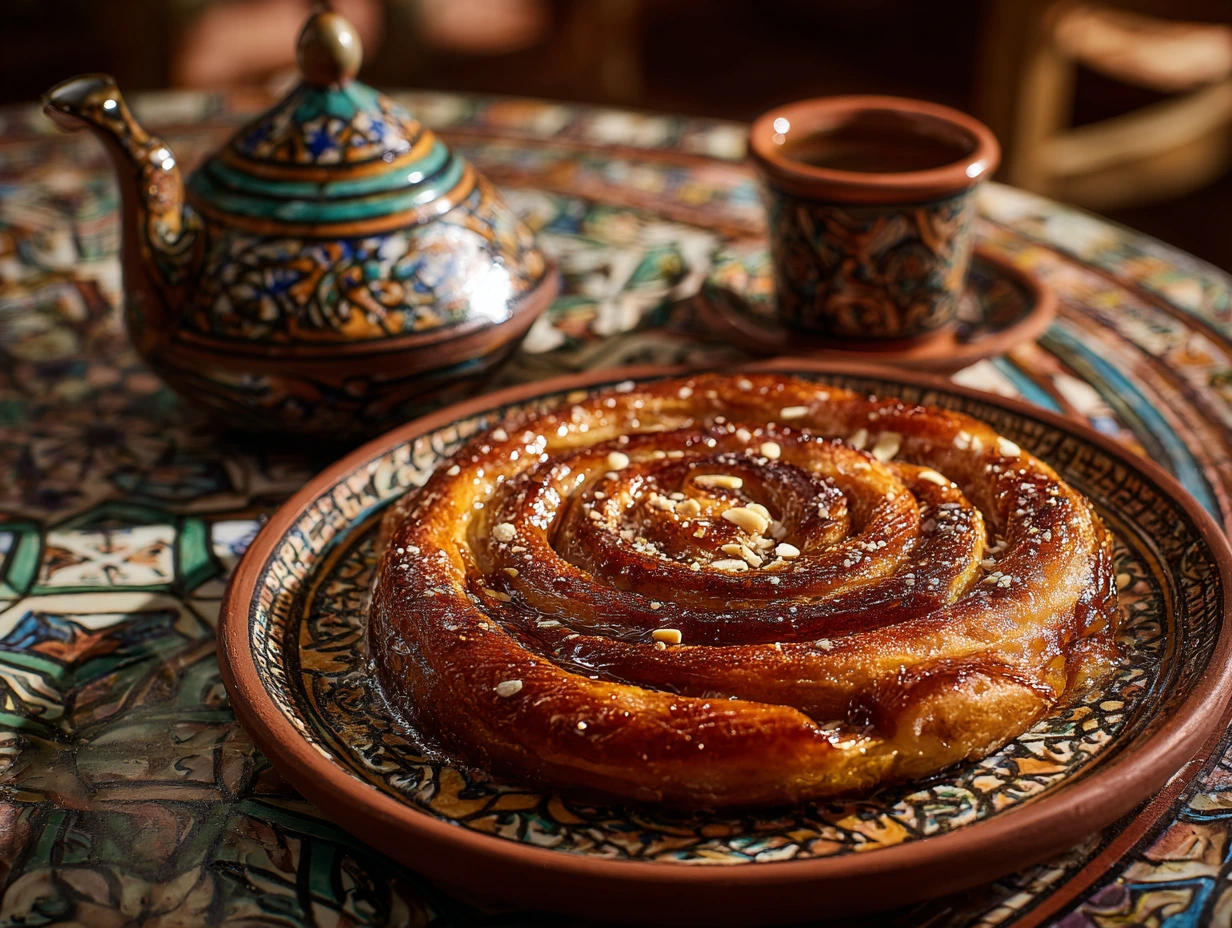
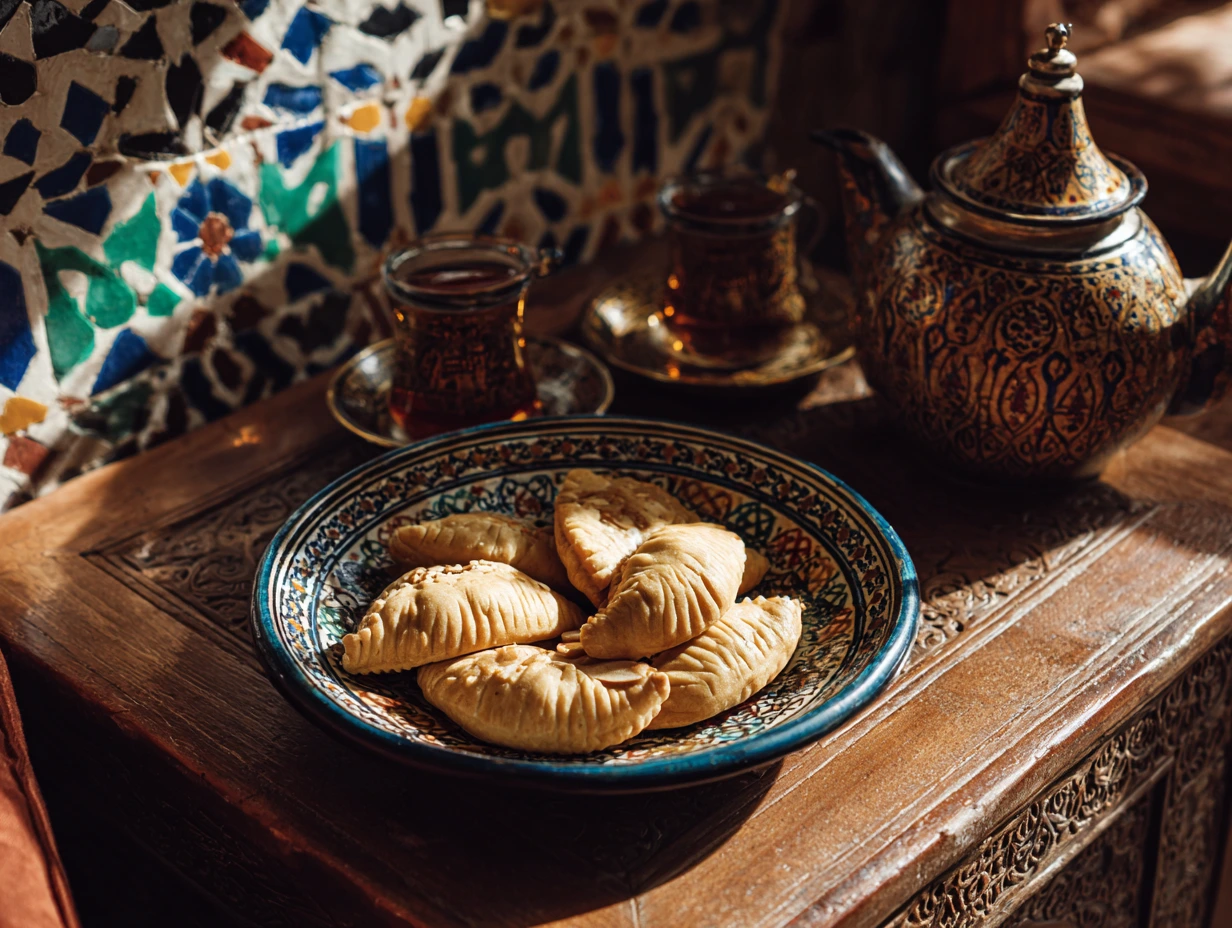
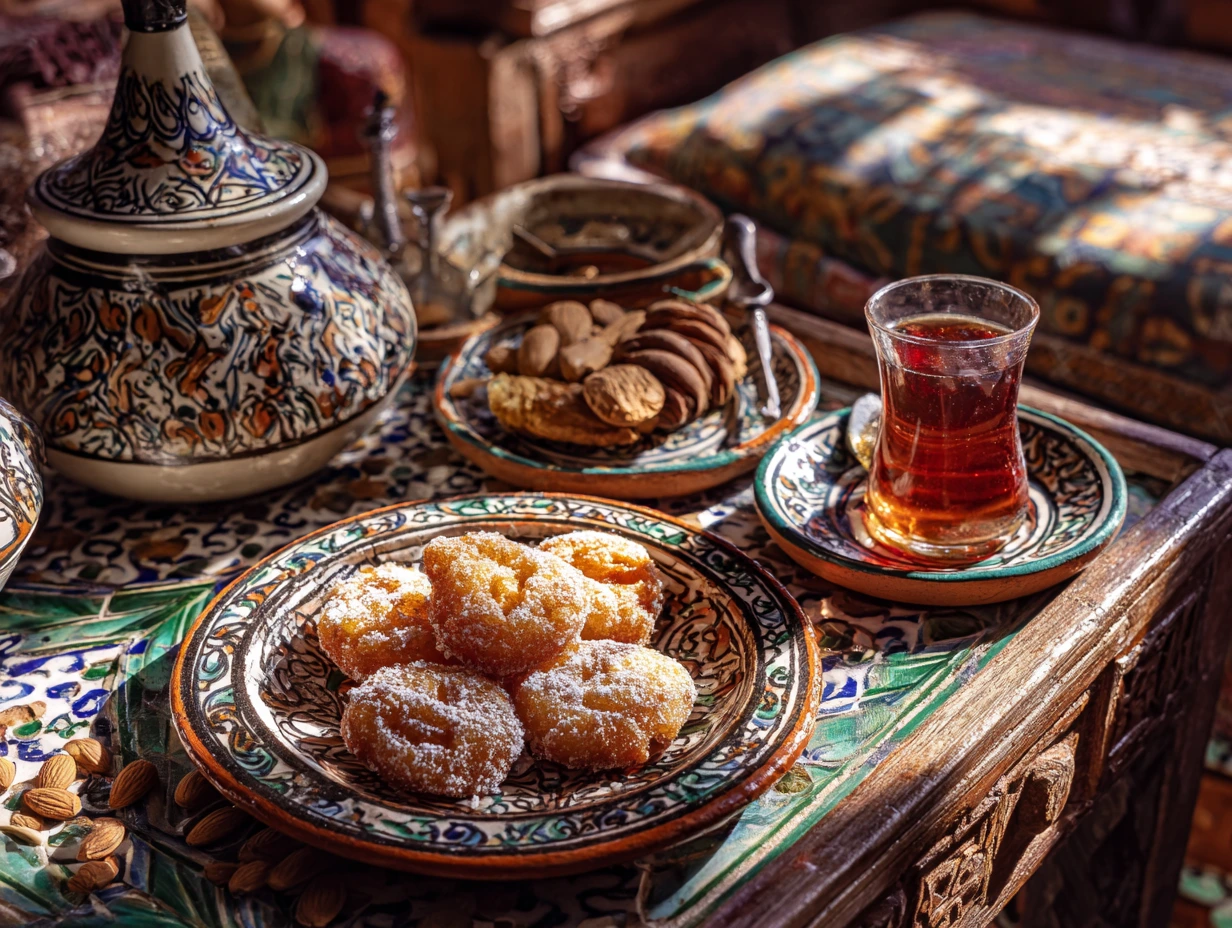
Sfenj emerged from Moroccan street frying and neighbourhood breakfast culture. The recipe has endured because its method gives familiar ingredients a clear identity that survives from home cooking to modern restaurants. What makes the dish memorable is moroccan yeasted doughnuts fried until airy and golden, served plain or dusted with sugar. Careful preparation preserves the contrast between its rich, fresh, crisp, tender or aromatic elements. Its cultural place is strongest in family lunches, Friday couscous, Ramadan tables, weddings and ceremonial hospitality. Serving it in that setting connects the recipe to everyday hospitality, celebration and regional identity.
Ingredients
- Main
- 83.33 gram plain flour500g plain flour
- 1.17 gram dried yeast7g dried yeast
- 0.83 teaspoon salt1 tsp salt
- 0.83 teaspoon sugar1 tsp sugar
- 63.33 millilitre warm water380ml warm water
- oil for fryingoil for frying
- sugar or honey to servesugar or honey to serve
Method
Mix dough
Mix flour, yeast, sugar and salt. Add warm water gradually to make a very sticky dough.
Look for: The dessert should look traditional, properly shaped and finished, with crisp pastry, airy dough or glossy honey where appropriate. Tip: Work patiently; Moroccan desserts depend on texture, folding, fragrance and controlled frying or baking. Avoid: Avoid overheating honey, burning nuts or sesame, drying pastry, or frying at the wrong temperature.Work dough
Beat and slap the dough by hand or with a mixer for 8–10 minutes until stretchy.
Look for: The dessert should look traditional, properly shaped and finished, with crisp pastry, airy dough or glossy honey where appropriate. Tip: Work patiently; Moroccan desserts depend on texture, folding, fragrance and controlled frying or baking. Avoid: Avoid overheating honey, burning nuts or sesame, drying pastry, or frying at the wrong temperature.Rise
Cover and rise for 1.5–2 hours until doubled and bubbly.
Look for: The dessert should look traditional, properly shaped and finished, with crisp pastry, airy dough or glossy honey where appropriate. Tip: Work patiently; Moroccan desserts depend on texture, folding, fragrance and controlled frying or baking. Avoid: Avoid overheating honey, burning nuts or sesame, drying pastry, or frying at the wrong temperature.Shape rings
Wet your hands, pinch off dough, make a hole in the centre and stretch gently into rings.
Look for: The dessert should look traditional, properly shaped and finished, with crisp pastry, airy dough or glossy honey where appropriate. Tip: Work patiently; Moroccan desserts depend on texture, folding, fragrance and controlled frying or baking. Avoid: Avoid overheating honey, burning nuts or sesame, drying pastry, or frying at the wrong temperature.Fry
Fry at 180°C for 2–3 minutes per side until puffed and golden. Drain and serve immediately.
Look for: The dessert should look traditional, properly shaped and finished, with crisp pastry, airy dough or glossy honey where appropriate. Tip: Work patiently; Moroccan desserts depend on texture, folding, fragrance and controlled frying or baking. Avoid: Avoid overheating honey, burning nuts or sesame, drying pastry, or frying at the wrong temperature.
Nutrition
per serving
Estimated from the structured traditional Moroccan dessert ingredient list. Validate before making formal health claims.